Industry
How to Choose a Magnetic Separator for Product Quality and Safety

Metal contamination can create serious challenges in manufacturing and processing environments. From affecting product quality to causing equipment damage, even small metal particles can have significant consequences. Separation plays an important role in reducing these risks, but choosing the right solution requires careful consideration. Understanding the benefits and the factors to consider when choosing can help you make an informed decision.
Why Separation Matters for Product Quality and Safety
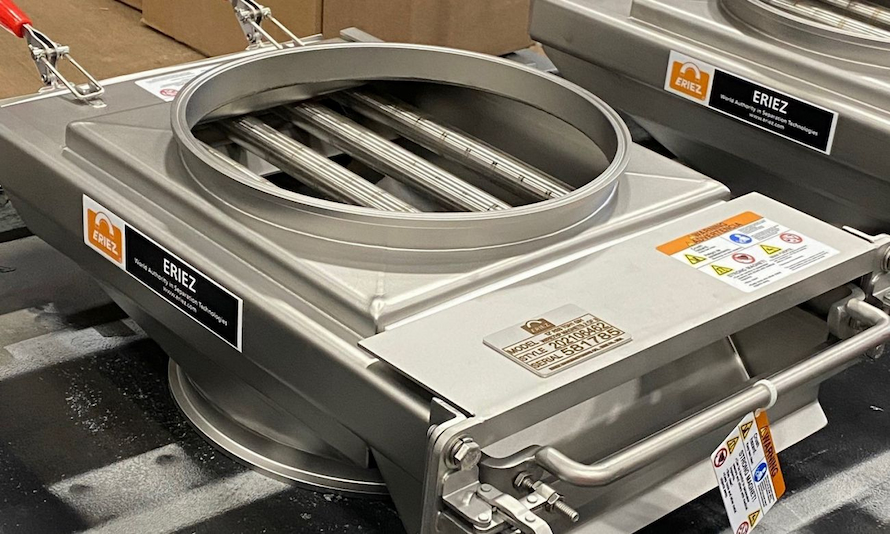
source : mmindia.co.in
Reduces the Risk of Product Contamination
Contamination can enter production processes through various sources, such as raw materials, processing equipment, and handling procedures. If metal particles reach the final product, there’s a big chance that the business will face customer complaints, quality issues, and even costly product recalls. This is where practical and efficient magnetic separators come into play.
Their main purpose is to catch ferrous contaminants before they reach the final product. This way, they help maintain product integrity and support quality standards. Contamination control is important across many different industries. In food production, metal particles can compromise customer safety. In pharmaceuticals, it can affect product purity.
Making sure the business reduces contamination risks as much as possible is not just about safety. It’s also about preserving its reputation. This process starts with identifying potential sources of contamination and taking every step to minimise their impact.
Protects Equipment from Damage
These contaminants don’t just affect the final product; they can also negatively impact the machinery involved in the production process. They can cause early wear and tear. When particles move through machinery, they can damage conveyors, grinders, pumps, mixers, and other components. Over time, this can lead to increased maintenance costs, unexpected breakdowns, and production delays.
That’s why it’s important to remove contaminants before they reach sensitive equipment. This reduces wear and extends the life of the machinery. Protecting equipment is extremely important in facilities that have continuous operations and production volumes, because if a machine breaks down, it can disrupt the manufacturing process.
Supports Compliance and Industry Standards
Many industries operate under strict quality and safety requirements that are designed to protect consumers and ensure product consistency. Food processing facilities, for example, need to follow rigorous contamination control protocols. Pharmaceutical manufacturers maintain high levels of cleanliness and product purity.
Magnetic separation helps their foals and minimises contamination. Of course, requirements vary from one industry to another, but they all have the same priority: contamination control. When the business has good contamination management, customers, suppliers, and regulatory bodies have more trust.
Improves Production Efficiency
Problems related to contamination can affect the efficiency in several different ways. Repairing equipment, product rejection, additional inspections, and interrupting production will negatively impact the business and require extra time and resources. When you reduce the presence of these unwanted particles, you minimise disruptions.
Workflow is smoother, operations are more predictable, and waste is minimised. This is good for long-term cost savings because less maintenance, fewer rejected products, and improved performance lead to strong operational outcomes. Preventing contamination with magnetic separators may seem like a small part of the process, but it can make a big difference.
What to Consider When Choosing a Magnetic Separator
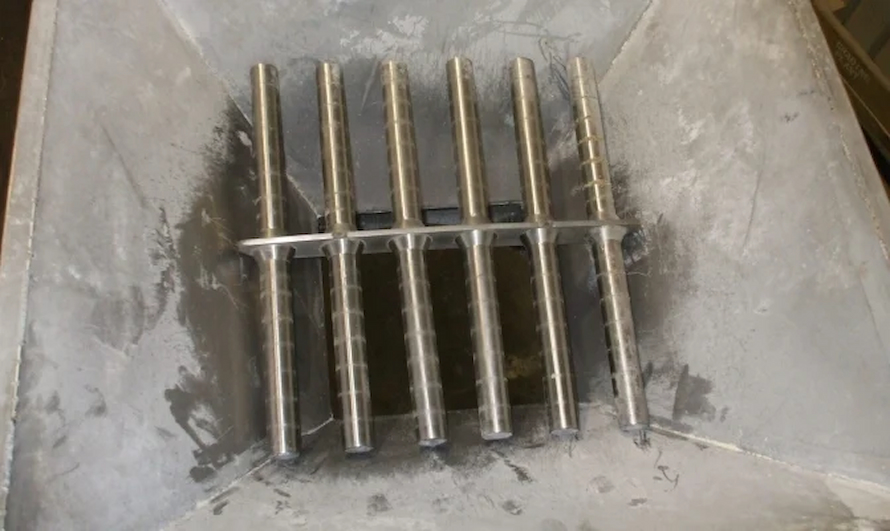
source : magnattackglobal.com
The Type of Material Being Processed
The materials in the production process are the first thing to consider when choosing a separator. Each comes with its own challenges. Powders, granules, liquids, slurries, and bulk solids interact differently with magnetic systems. The separator’s performance is influenced by the material’s density, flow characteristics, and composition.
For example, a system designed for dry powders may not be suitable for liquid processing applications. Make sure you’re familiar with the material’s characteristics. This can be a deciding factor when looking for magnetic separators for sale.
Magnetic Strength Requirements
Contaminants come in many shapes and sizes. Some are larger and easier to capture, and others are finer, smaller, and harder to catch. This is where you can see the importance of having the right magnetic strength.
Stronger magnetic fields are generally capable of attracting smaller particles, which improves contamination control in demanding applications. To choose the right magnetic strength, you need to understand both the contamination risks and the level of protection. When you get the right ratio, the results are more reliable.
Size and Installation
It’s very important to consider placement and installation before investing in a separator. Each facility has its own unique layout and has different types of equipment. Factors such as available space, material flow direction, and other factors can all influence the buying decision. Go for a separator that can fit comfortably in the production environment and is easy to install. This early consideration will save you and your company a lot of trouble later.
Materials and Durability
Buying a durable separator is crucial because industrial environments are quite demanding. Separators are made of stainless steel because it’s strong, corrosion-resistant, and easy to clean and maintain. A separator with a durable construction will last for a long time and maintain good performance. Invest in a high-quality separator that will last for years to come.
Cleaning and Maintenance
Regular cleaning and maintenance make sure the contamination control works smoothly and effectively. When you have equipment that’s easy to inspect and clean, downtime is reduced. This is very important for industries that prioritise cleanliness and hygiene. Knowing the maintenance process before investing in a separator results in better long-term outcomes.