Industry
Industrial Vacuum Guide: Types and What Matters When Buying

Have you ever thought about how large-scale facilities stay clean despite the large volume of dust, debris, and spills they have to deal with daily? Well, it often comes down to having the right equipment, industrial vacuum cleaners especially. From workshops to warehouses, these heavy-duty machines can handle what household vacuums never will.
What Is an Industrial Vacuum?
Source: nilfisk.com
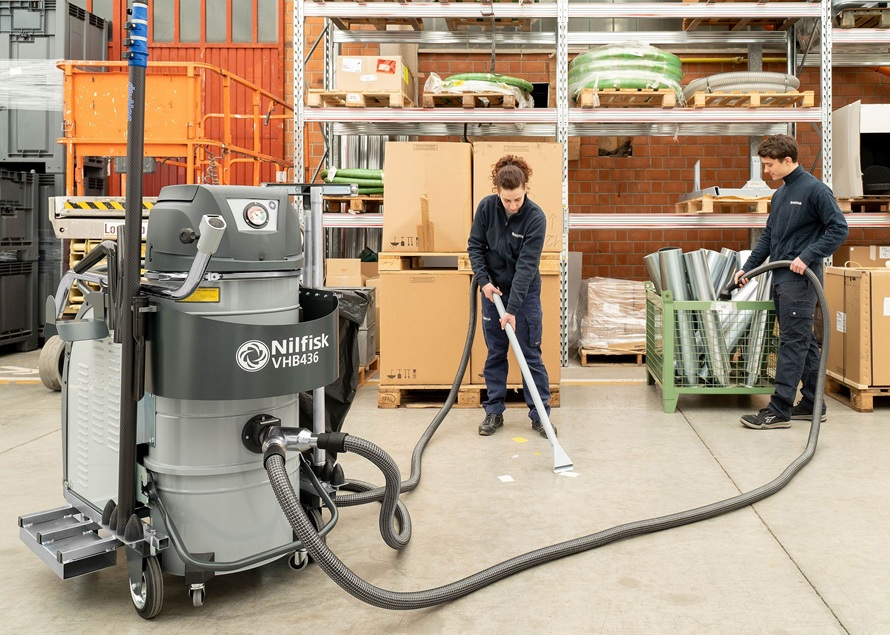
Industrial vacuum cleaners are heavy-duty machines that work more efficiently than standard home vacuum cleaners, making them great for commercial and large-scale cleaning jobs. They are designed to handle heavy debris such as dust, wood chips, metal shavings, and even liquids.
Manufacturing, construction, food processing, and industries alike naturally take up a lot of space to get the job done, so standard equipment simply won’t cut it. These tougher machines allow them to stay clean, safe, and compliant.
Better hygiene and safety
A good industrial vacuum picks up fine dust and allergens that regular cleaning tools miss, which means cleaner air and fewer health risks for your team. For instance, a high-performance M class vacuum cleaner is known to filter out medium-risk dust and help prevent respiratory issues. This machine is a smart investment that will ensure your workplace meets proper health standards.
Lower maintenance costs
By relying on professional vacuum cleaners and using them regularly, you’ll also cut down on unnecessary machine breakdowns.
Dust and debris build-up can wreck machinery over time, so regular vacuuming is the best way to keep your equipment running well. That can’t be too hard to keep up with as industrial units are now low-maintenance themselves, with parts that are easy to clean or swap out.
Cleaning Crew
By hiring a professional crew to deal with the cleaning machinery, you won’t have to worry about the cleaning operations. You simply hand over the machines, tools, and supplies, and they’ll take it from there. Working with the equipment and handling the basic maintenance regularly is enough to keep the vacuum running smoothly.
Useful across every industry
From farming and warehousing to automotive, mining, and pharmaceuticals, M class vacuum cleaners pull their weight wherever heavy-duty cleaning is needed. They’re built to adapt to different materials and environments, which is why so many sectors rely on them as part of everyday operations.
All up, a solid industrial vacuum setup means a cleaner, safer, and more efficient business, no matter what industry you’re in.
The Different Types
Understanding the different types of industrial vacuums can help you choose the right equipment for your business. For instance, each M class vacuum cleaner is built with specific materials and environments in mind, so knowing the differences can save you time, money, and hassle down the track.
Dry industrial vacuums
Dry industrial vacuums are constructed to work specifically with dry materials like dust, wood shavings, and metal filings. They come with powerful motors and robust filtration systems that capture both fine particles and larger debris easily. This makes them a solid option for woodworking shops, metalworking industries, and warehouses where dry mess is the main type expected.
Wet/dry industrial vacuums
Wet/dry M class vacuums work for most of the industrial cleaning world, as they are built to handle both liquids and dry debris. This versatility makes them ideal for spill cleanups and general mess across industrial facilities and construction sites. Many businesses lean towards this type simply because you only need one machine that will adapt to whatever the job throws at it.
Wet vacuum cleaners
Wet vacuum cleaners do well cleaning liquid spills, which makes them a handy tool for dealing with pipe leaks and similar messes. Most models range in power output, with higher wattage generally meaning stronger suction for larger or more frequent spills. They’re a practical addition for any workplace where liquid mess is a common occurrence.
Hazardous material vacuum cleaners
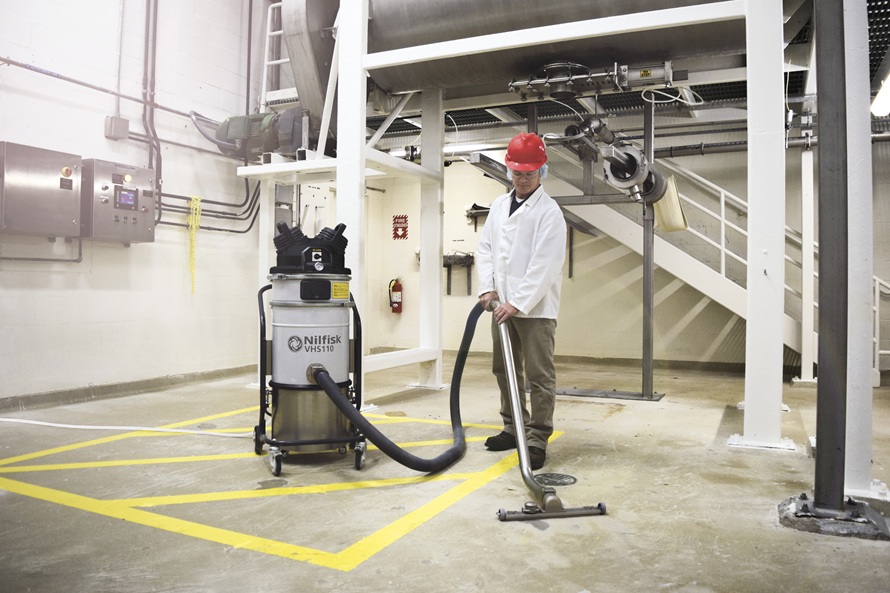
Industries dealing with chemicals, asbestos, or other hazardous substances can’t just use any old vacuum for the job. These machines are specifically built with explosion-proof and anti-static features, so operations stay safe even around volatile materials.
They also come with advanced filtration systems that trap harmful particles before they spread, keeping both your team and the surrounding environment safe.
Pneumatic industrial vacuums
What’s different about pneumatic vacuum cleaners is that they run on compressed air rather than electricity. That makes them the best option when it comes to safety in environments where sparks could be dangerous. They’re commonly used in explosive or flammable settings where standard electric vacuums simply aren’t safe to operate.
Choosing the right type of vacuum cleaner comes down to what your workplace handles daily, so it’s worth finding one that matches the mess in your industry before you buy.
What to Look for in Industrial Vacuum Cleaners
Source: facebook.com/capitalequipmenthire1
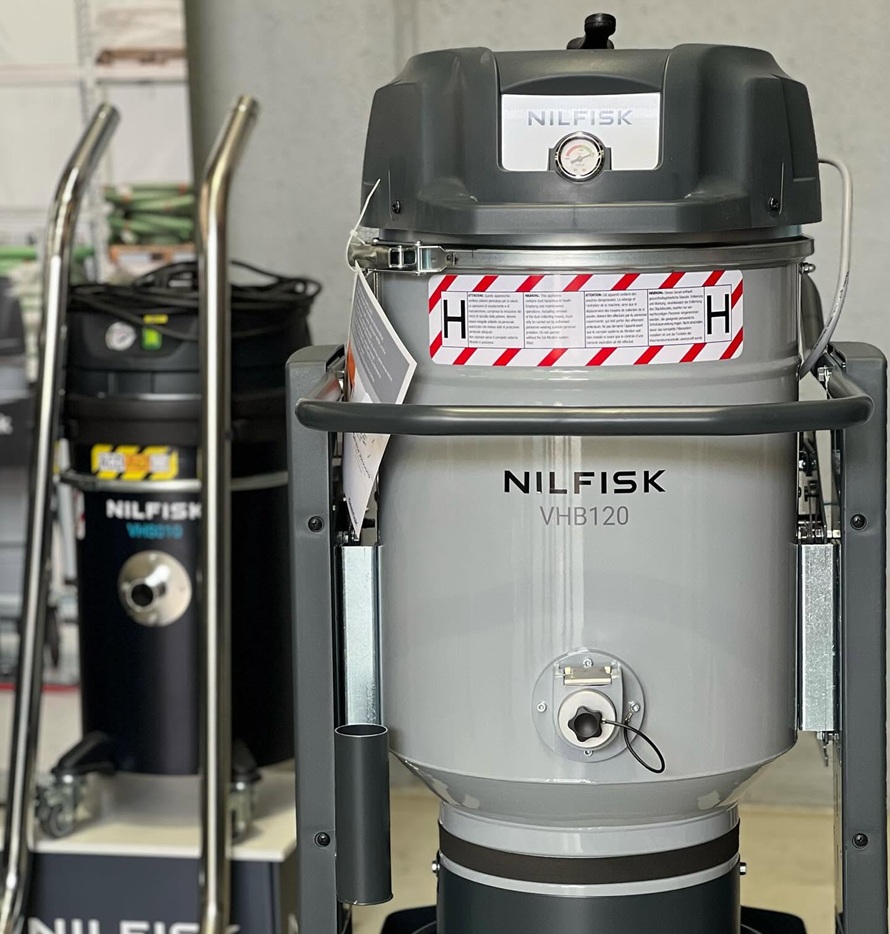
When shopping for an industrial vacuum, filtration and suction power matter most. The better models, including the M class industrial vacuum cleaner, use layered filtration, pre-filters plus HEPA filters, which catch particles as small as 0.3 microns. Suction power is where industrial vacuums really outperform household ones, lifting heavier debris without interruptions.
Tank capacity and build quality round things out: bigger tanks mean less stopping to empty, and tougher materials like stainless steel hold up better under daily use without having to replace them every few months.
Whether you’re weighing up the different options or figuring out what features actually matter, the right type of industrial vacuum for your workplace can be a game-changer. Investing in a reliable M class cleaner is one of the simplest ways to keep your business clean, safe, and compliant for the long haul.