Sports & Fitness
The Cyclist’s Guide to Comfort: Choosing Bottoms for Endurance and Speed

Cycling should be enjoyable, not uncomfortable. Of all the clothing choices that can improve comfort, cycling bottoms are probably the ones that make the biggest impact. A good pair offers ample freedom of movement, excellent breathability, and often some type of padding to reduce friction and pressure.
When it comes to choosing the right cycling bottoms, it often depends on where and in what conditions you’ll be riding, the length of your route, and your personal style and preference.
The Weather and Temperature
Cold Weather

source: thepedla.com
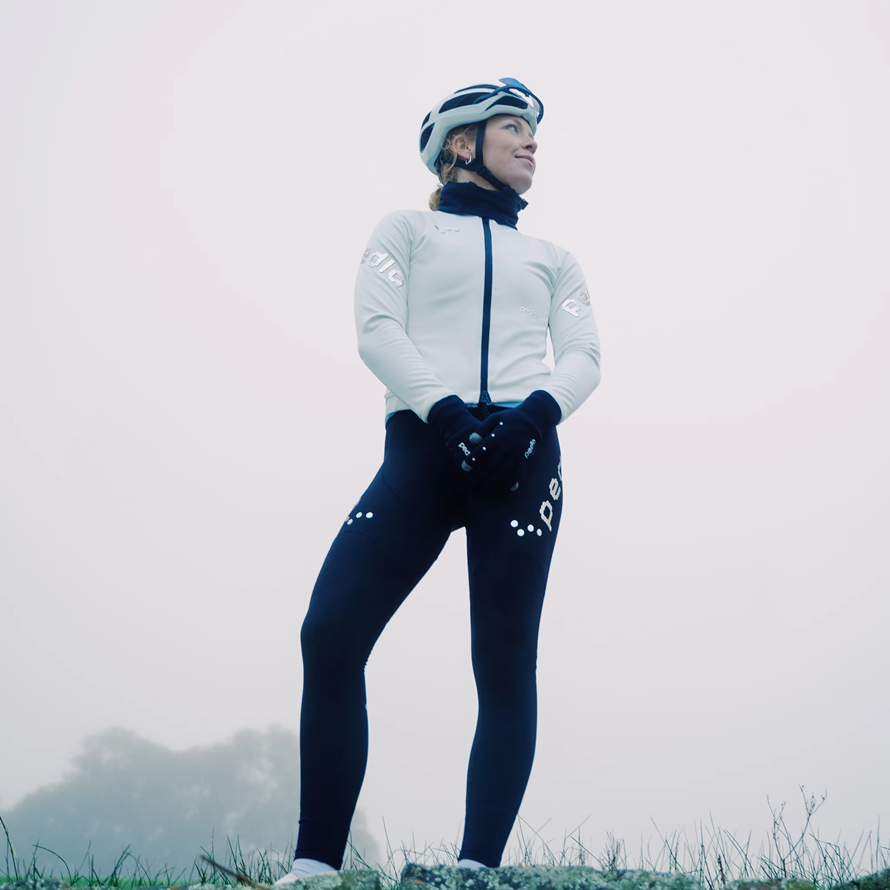
It goes without saying that when cycling in cooler conditions in the mornings and winter months, you should keep your leg muscles warm. When muscles get cold, they contract and become less flexible. In these instances, you’re better off with a pair of quality cycling tights. Unlike shorter styles, tights provide full leg coverage, help to retain heat and protect against cold wind chill.
Cycling bib tights are often made with thermal fabrics that trap warmth while still allowing the skin to breathe. This balance is important because while you want insulation, you also need to avoid overheating once you start building effort on climbs and longer stretches.
Next, many designs also have moisture-wicking properties that help draw sweat away from the body so you don’t feel damp or chilled after your ride.
Another feature most tights have is integrated padding, which helps reduce pressure on longer rides. Some designs also include wind-resistant panels or lightly brushed interiors for added softness against the skin. These features further improve comfort when temperatures drop.
Warm Weather
As temperatures rise, the focus shifts from insulation to breathability and airflow. In these conditions, lighter styles such as bib shorts are a more suitable option. Bib shorts are designed to reduce excess fabric around the waist, offering a secure fit that stays in place while allowing greater freedom of movement.
Warm-weather cycling bottoms are made of lightweight and breathable fabrics to help regulate body temperature. These fabrics allow heat to escape easily, which is essential when riding under strong sun or during higher-intensity efforts. Also, quick-drying materials help prevent sweat from building up and keep the rider more comfortable over longer distances.
Many modern designs also incorporate ergonomic panel construction, which supports natural pedalling movement without restriction. Flat seams or minimal stitching help reduce friction, while breathable mesh sections in bib straps or upper panels can improve ventilation. The chamois in summer-specific styles is often designed with lighter-density foam, providing support without adding unnecessary bulk or heat retention.
In Australian summer conditions, where temperatures can climb quickly and UV exposure is high, these lighter cycling bottoms help maintain comfort, prevent overheating, and support longer rides in the heat. Choosing the right style for warm weather ensures that performance and enjoyment remain consistent, even on the hottest days.
The Length of Your Ride
source: thepedla.com
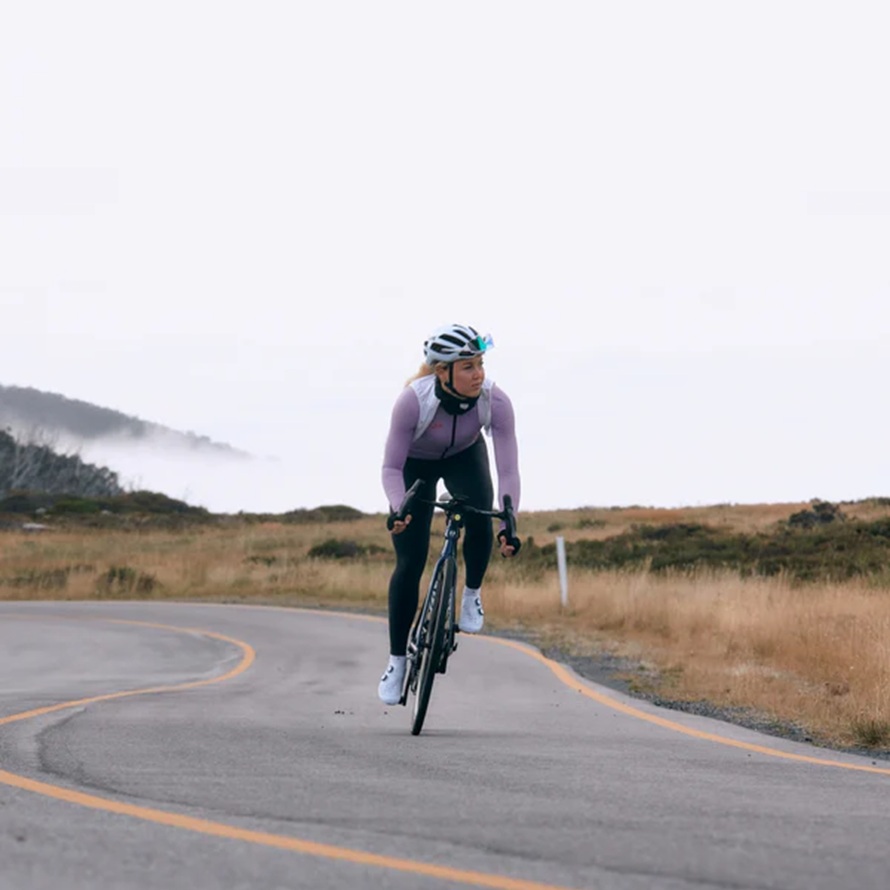
The length of your ride is another factor that plays a big role in deciding whether bike riding tights or shorts are the better choice.
For short rides, like quick training sessions, commutes, and relaxed spins around the neighbourhood, cycling shorts are often enough. They’re lighter, more breathable, and keep things simple when you don’t need extra protection or insulation.
As the kilometres add up, pressure, friction, and muscle fatigue become more noticeable. This is where cycling tights can make a big difference. The added coverage helps reduce muscle fatigue by keeping the legs warm and supported for longer periods. Most tights and longer bib-style options also include improved padding (chamois support), which helps reduce pressure and discomfort when you’re spending more hours in the saddle.
Long-distance rides also often involve changing conditions, early morning starts, shifting temperatures, and wind exposure. In these instances, again, tights can provide more consistent protection, helping you stay comfortable from start to finish.
So in simple terms: shorter rides usually suit lighter cycling shorts, while longer rides benefit from the added comfort, support, and protection of tights for cycling and longer bib-style options.
Style and Preference
Every cyclist has a different comfort zone, and you’ll probably discover yours after a few rides. Some can wear bib shorts on a cool 12–15°C morning (like when the ride includes plenty of climbing).
Others may opt for bike riding tights as soon as temperatures dip below 18°C because they dislike the feeling of cold muscles and chilly wind on their legs. There’s no single rule for when to switch from one style to another.
Think about how your body responds to different conditions. If you usually feel cold at the start of a ride and take a while to warm up, these tights may be the more comfortable option.
If your body heats up quickly once you start pedalling, bib shorts could be all you need on milder days. Early morning and winter rides often call for extra coverage, while warm afternoons are generally better suited to lighter, more breathable styles.
Before long, you’ll know exactly which cycling bottoms suit your body, your routes, and the conditions you ride in most often.