Fashion
The Boat Owner’s Guide to Staying Dry: Essential Wet Weather Gear

Every boat enthusiast is aware that without waterproof clothing, sailing is a no-no. Whether you’re sailing across the choppy waters of Bass Strait or having a leisurely cruise around Sydney Harbour, the weather in Australia is notoriously tricky. One minute you’re basking in the glory of wonderful sunshine, and the next, a southerly buster hits, soaking your deck.
Being dry is not just about keeping warm; it is about staying safe. If you’re cold and wet, you’ll soon lose focus, and your sailing skills will be compromised. The right wet-weather clothing will allow you to focus on the horizon, not your cold limbs.
Pants

source: whitworths.com.au
When it comes to wet-weather pants, there seem to be only two choices for the average boat owner: the waist-high variety or the more traditional bib and brace overall. For serious offshore sailing or any activity that involves heavy spray, the bib and brace overall is the better option. This is because it will protect you from water seeping into your clothing from the area below the hem of your jacket. It’s especially important when you’re sitting on a wet deck or bending over to winch a line. Look for pants that have reinforced seats and knees, as these areas will be subject to the most friction during a typical voyage.
The fabric used in your sailing pants is just as significant as the design. The fabrics used in modern sailing gear are not just waterproof but are also breathable. Breathable fabrics are those that keep water out while allowing moisture to escape from inside. If you are not wearing breathable fabrics, you would feel just as uncomfortable with the moisture inside as you would with the rain pouring down.
Jacket
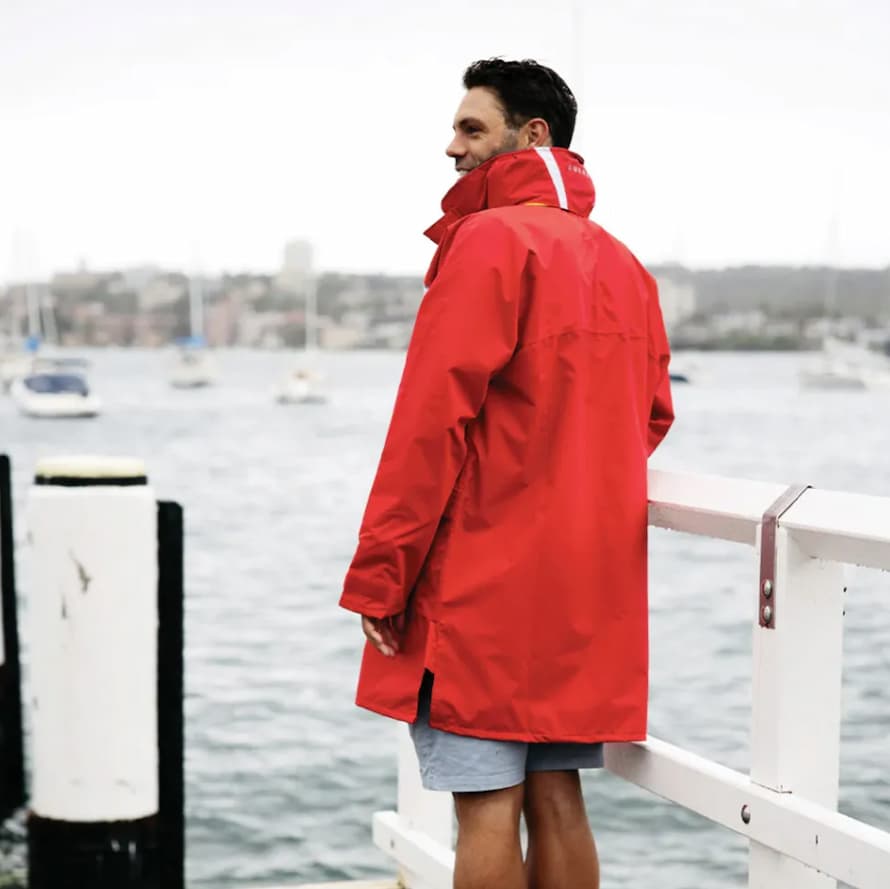
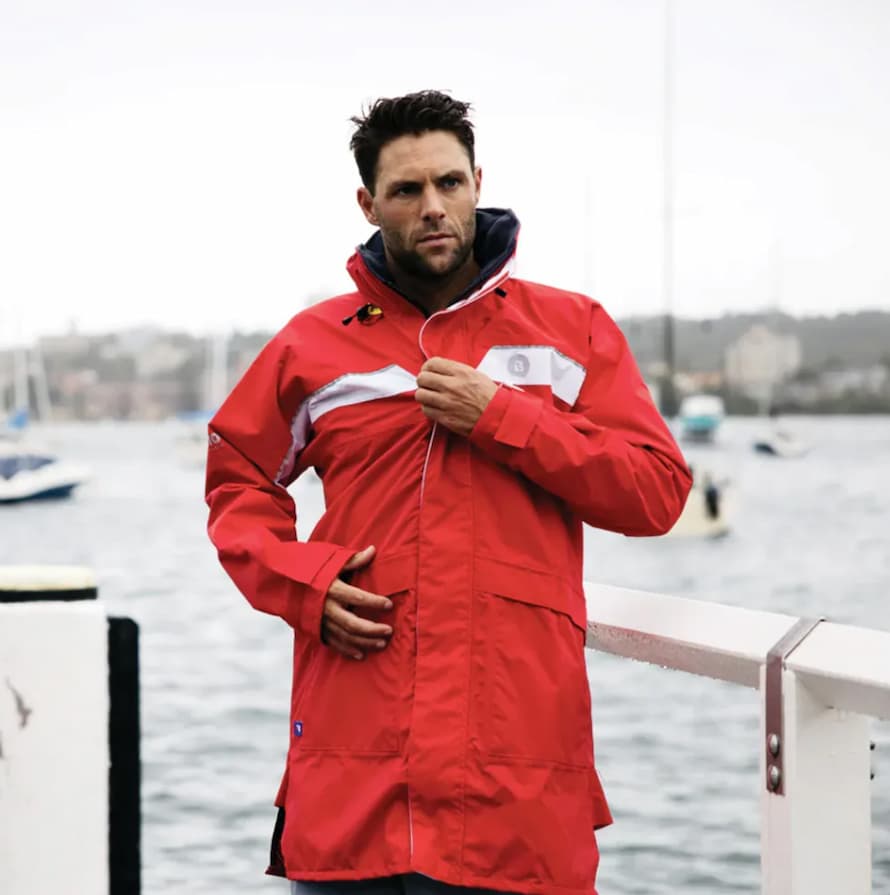
A sailing jacket is one of the most essential items of wet-weather clothing. While a normal raincoat might be suitable for protecting against rain, a sailing jacket is designed to withstand the corrosive power of saltwater as well as strong winds.
There are different types of sailing jackets, including coastal, inshore, and offshore. For the average Australian boat owner, a coastal sailing jacket is a good compromise. They tend to have high collars that are lined with fleece to prevent stinging in the neck and face. They also tend to be designed with strong zips that do not seize up in saltwater.
Visibility is an important aspect of any jacket, especially when it comes to marine wear. You should opt for a jacket that offers high visibility, especially in low-light conditions. The jacket should be brightly coloured, like neon yellow or orange, especially around the hood.
The hood of the jacket should be fully adjustable, ensuring that it remains in place even in a gale without compromising your side vision. The jacket should also be designed with double cuffs, ensuring that no water runs down your arms when you adjust the rigging. This is achieved by having an internal elasticated cuff as well as an external adjustable cuff.
Boots
Traditional leather boat shoes may be suitable for good weather conditions, but when the rain begins to fall, you need to have sailing boots. These can be made of top-grade rubber or synthetic materials.
The most important aspect of a sailing boot is the sole. This has to be non-marking and have a good grip on a wet and slippery fibreglass deck. A zig-zag tread pattern works well to ensure water displacement and prevent hydroplaning.
If you’re going to be out for a long time, it’s a good idea to have a breathable lining to prevent your feet from becoming clammy and cold. One of the best ways to keep your body warm is to keep your feet dry and warm.
Shirts

source: whitworths.com.au
Underneath your waterproof outerwear, your shirts have an important function to perform in the way of moisture control. You should avoid cotton shirts at all costs. Cotton absorbs water and remains wet. If you get wet in a cotton shirt, you can cool down very quickly. Instead, you should use synthetic shirts or merino wool shirts. These materials have a function called wicking, whereby they pull the moisture away from your skin and towards your outerwear.
A good choice for an Australian summer would be a long-sleeved synthetic shirt with built-in sun protection. This will keep you cool and dry during the day, but you can always put a wet-weather jacket over the top of it if you need to.
Gloves
Working with wet ropes and metal hardware with bare hands is not easy, especially if the weather is cold and rainy. Sailing gloves help protect your hands from rope burn and offer better grip, even if things get really slippery. For rainy weather, neoprene gloves or those with waterproof liners are popular among boat owners. These gloves keep your hands warm even if they get splashed with water.
Hats
While most jackets have a hood, a hat is still a useful item in your wardrobe. A waterproof hat with a wide brim will keep the rain out of your eyes much better than the hood of a jacket, and will be much more breathable. For colder weather, a waterproof beanie with fleece lining is great for keeping the body warm.