Lifestyle
Solar Panels: Types, Features and Benefits Explained

UVA, UVB and UVC are all different types of ultraviolet rays coming from the sun and all but one (UVC) can do both good and harm to our skin and environment. But we as humans can harness their power thanks to solar panels. These photovoltaic cells are made of silicon with a glass packaging.
This combination of materials helps convert and conduct the electrical charge of a photon. The charge gets used as electricity, once enough of it has been converted and stored. However, not all solar panels are made the same, as some can be used on more than just the roof of your house, known as portable solar panels.
Types of Portable Solar Panels
source: ytimg.com
Hard-Frame Folding
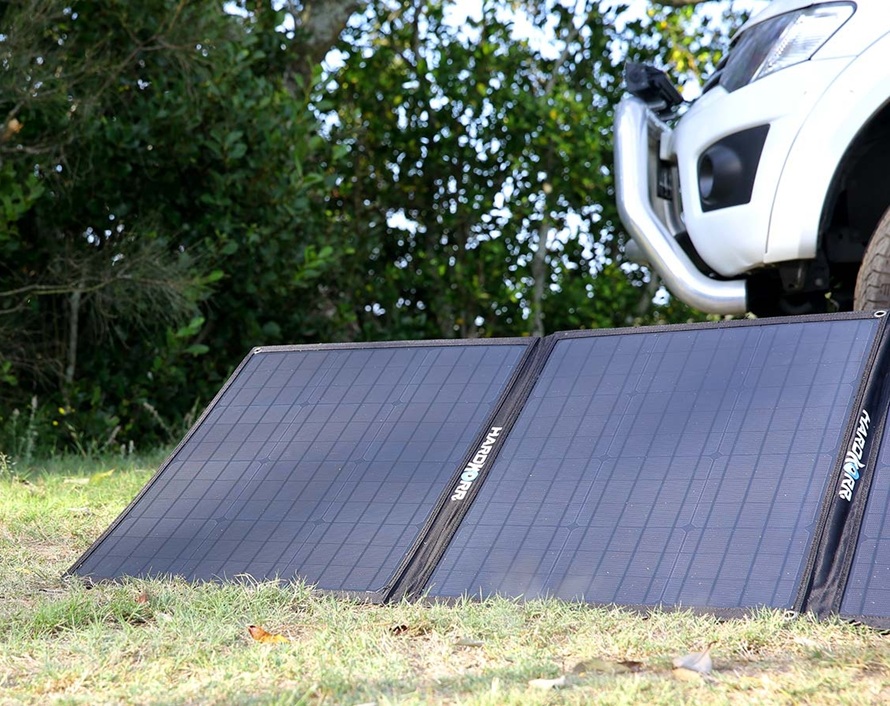
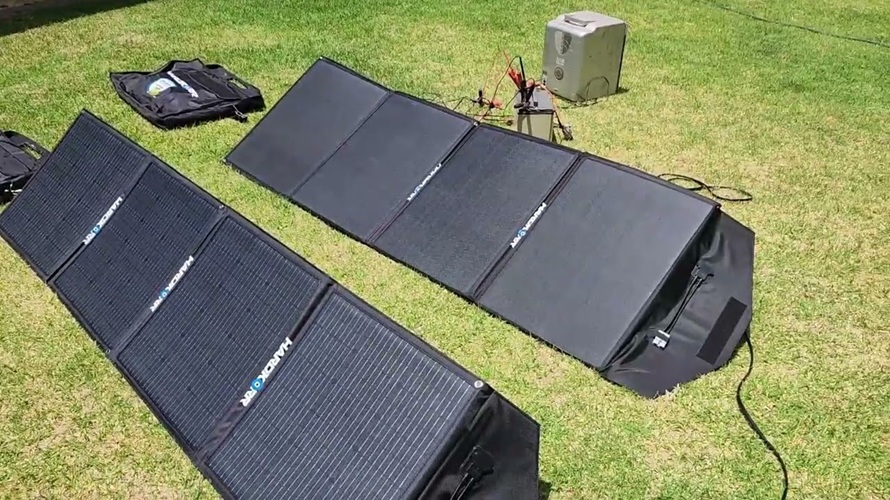
While once they were one of the bulkiest, hard-frame folding solar panels have come a long way. Nowadays, they are much lighter and thinner, while they can also be carried like a briefcase thanks to their hinged design and handle. Hard-frame folding portable solar panels are quite versatile because of this, however, they are not as flexible or as small as their more popular counterparts.
Mats
Solar mats are the most advanced solution you’ll get when it comes to mobile solar panels. They are made of PET or ETFE and can flex quite a bit without getting damaged. This means they are easy to transport and set up, but they are not as strong or as efficient at converting energy as folding solar panels.
Blankets
A solar blanket is the most versatile solution out of the three, because it weighs the least and it takes up the least amount of space when stored. They’re made of PET or ETFE stitched to a canvas layer, which means you can fold them much like a blanket. Their only downside is the angle at which you can position them, as it’s not that easy to get it right due to their malleability.
What to Consider
Cells
There are two types of solar cells that any solar panel is made of, including portable panels and these are mono and polycrystalline. Monocrystalline cells are the simpler option as they are made of a single silicon crystal, making their energy conversion between 18% and 24%. Polycrystalline cells, on the other hand, are made of multiple layers of silicon crystals, which makes them less efficient as they are mashed together and have an energy conversion efficiency between 15% and 20%.
Size
The size of the panels also plays a role in how much energy they’re able to convert, alongside their portability factor. The larger the panel, the more energy you can get because of the number of cells it has, but the more cumbersome it is to position, it and move, it around or store it. The opposite goes for smaller-sized panels.
Use
What you’ll use the panels for the most is crucial too, as it can help you determine the above two factors. For instance, if you’re going to just use the panels for off-grid camping, you should go for the lightest monocrystalline panels. However, if you plan on using them on an RV or as an emergency backup, you should go for a tougher alternative like hard-frame panels.
Power
The amount of power you need to keep your appliances running in the wild or a remote area for a day affects the Wh of the panels. Watt-hours show you the amount of power the panel can supply your RV or campsite with for 60 minutes. Multiply that by the number of hours you’ll need electricity for, and you have the total Wh of the panel.
Output Options
Your panel’s ability to work with different AC/ DC outputs tells you how versatile it really is. Many have AC outlets, but you should also look for 12V DC outlets for your car and/ or USB-A and USB-C ports for your devices.
Input Capacity
The efficiency of the panels affects their input capacity and this affects the charging speed of your whole PV system. The higher their input capacity is, the shorter the recharge time, as well as the larger the capacity of the system that can be used with the panels.
Weather Resistance
Since they need to be outside, solar panels of any kind, especially portable ones, need to be made so that they are well protected from the elements. Certifications such as UL, FCC and IP all show how tough they are.
Advantages of Portable Solar Panels
Convenience
Mobile solar panels are just one easy way to power your camping adventures and it happens to be the most convenient as well as the most environmentally friendly at the same time.
Transport
Another advantage of portable panels is that their form factor allows you to take them wherever you want to go. No matter whether it is a field, forest, trail or the top of a mountain.
Storage
Most portable panels don’t take up a lot of storage space and therefore, you can have them in more places than just your ute. It can be on your motorcycle, backpack or even back if you’re not packing much.