Lifestyle
Ready for the Spotlight: Finding the Right Tutu Dress

A tutu dress brings a little stage magic to any dance performance. With its fitted bodice, decorative skirt, and graceful silhouette, it’s a classic choice for ballet recitals, competitions, and theatrical productions.
However, finding the right one takes more than picking a design that catches your eye. You also need to think about the choreography, fit, fabric, and finishing details to make sure the dancer feels comfortable throughout the performance.
After all, the costume needs to look beautiful under the stage lights without getting in the way of a single movement. So, how to choose a tutu dress for dance performances?
Explore Different Tutu Dress Styles

source: studio7dancewear.com
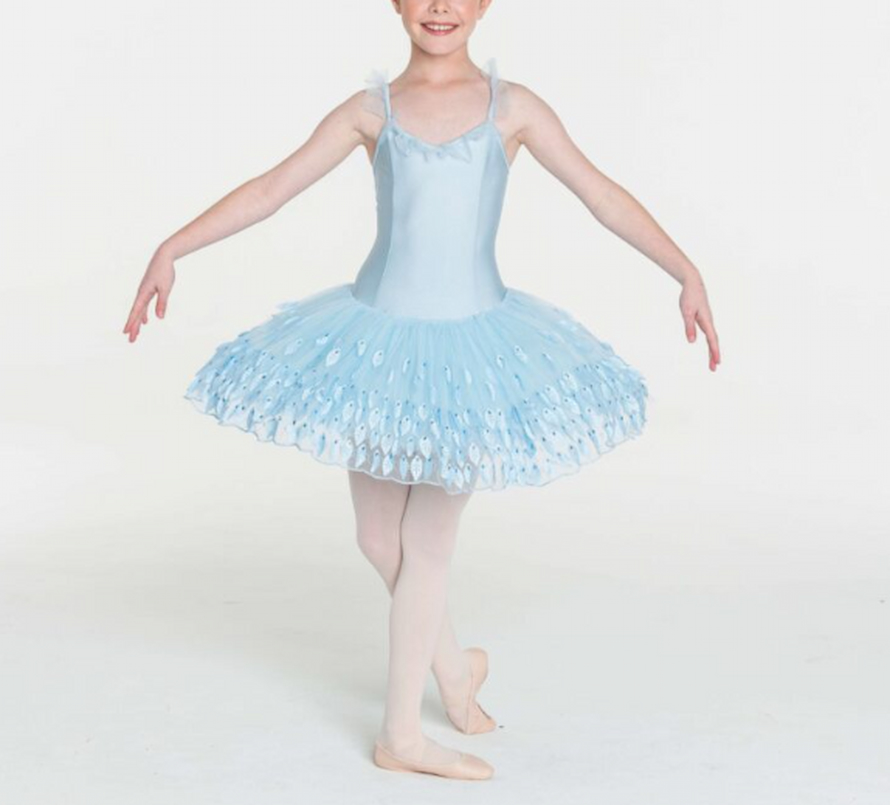
Start by getting familiar with the different styles. Some tutus feature soft, flowing skirts that move beautifully with the dancer, while others have fuller layers of tulle that create a more traditional ballet silhouette. Shorter, structured designs can also create a distinctive stage presence.
A tutus dress offers the convenience of a coordinated one-piece costume, with the bodice and skirt designed to work together. It’s a practical option for recitals, competitions, and stage productions, especially when dancers need to change costumes between routines.
Here are a few styles to consider:
- Romantic designs: Soft layers and flowing skirts create a delicate look, making them lovely for lyrical performances, traditional ballet, and fairy-tale productions.
- Classic ballet-inspired designs: Fuller, structured skirts create a recognisable ballet silhouette that suits traditional dance routines.
- Sequin and embellished designs: Sparkling details catch the stage lights and add a little extra glamour to performances.
- Colourful character designs: Bright shades, playful trims, and decorative details work well for jazz routines, themed productions, and theatrical performances.
Think about the character, music, and overall mood of the routine before settling on a style. The right costume should complement the dancer’s movements and help bring the performance to life.
Match the Design to the Performance
The choreography should have a big say in your costume choice. A delicate ballet variation may call for a softer design with a flowing skirt, while an upbeat jazz routine might suit a brighter colour and more playful details.
Before shopping, check the costume requirements from the dance teacher or choreographer. They may specify colours, skirt lengths, embellishments, or matching designs for group performances. Getting these details sorted early can save you from falling in love with a costume that doesn’t meet the production’s requirements.
It’s also worth considering how the design will look from the audience’s perspective. Stage lighting can affect the appearance of colours, fabrics, and decorative details. A pastel shade that looks subtle in a product photograph, for example, may appear much brighter under strong stage lights.
If you’re choosing costumes for several dancers, look for designs that create a coordinated appearance without compromising individual comfort. Matching colours and similar silhouettes can help the group look polished during formations and ensemble routines.
Ultimately, your costume choice should support the performance’s theme and allow the dancer’s technique and expression to take centre stage.
Pay Attention to Fit and Construction
Even the prettiest tutu dresses won’t make a dancer feel confident if they don’t fit properly. Start with the bodice, checking how it sits around the chest, shoulders, and waist. It should feel secure without digging into the skin, slipping out of place, or making movement uncomfortable.
Always consult the manufacturer’s size guide before ordering. Dancewear sizing can vary between brands, so take accurate measurements and compare them with the recommendations provided. If you’re unsure about a particular size, ask the retailer for guidance rather than guessing.
Next, look closely at the skirt. Its length, volume, and placement all influence how the costume looks during a routine. Check that the layers sit evenly and attach securely to the bodice. Neat stitching and well-finished seams also contribute to a more polished appearance.
When comparing tutus dress designs, pay attention to these details:
- Stitching and seams: Look for neat, secure construction, particularly where the skirt joins the bodice.
- Fabric: Check the material description for details about texture, stretch, and care requirements.
- Skirt shape: Consider the length and volume in relation to the choreography.
- Freedom of movement: The costume should allow the dancer to perform comfortably without repeatedly adjusting the bodice or skirt.
If possible, arrange a fitting before performance day. Let the dancer try the costume with the intended dance shoes and accessories to make sure everything works together.
Choose Colours and Embellishments Carefully

source: studio7dancewear.com
Now for the fun part: choosing the finishing touches! Colour and decoration can completely change the character of a costume, helping establish the mood of a performance or bring a particular role to life.
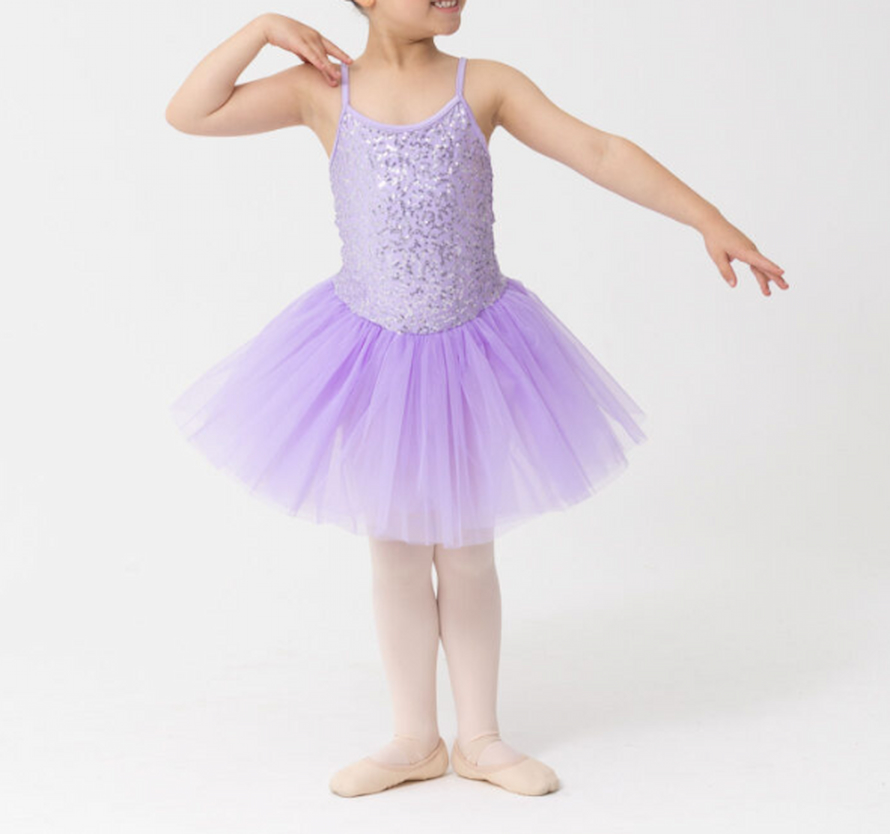
Pastel pinks, lilacs, and soft blues often complement delicate ballet routines and fairy-inspired productions. Richer shades can create a more dramatic stage presence, while bright colours suit energetic jazz numbers and playful character performances. If the choreographer has supplied a colour palette, use it to narrow down your options.
Embellishments offer another opportunity to add personality. Sequins, appliqués, decorative trims, and sparkling accents can catch the light beautifully, giving the costume extra visual interest. However, think about the overall design before choosing something heavily decorated. You want the details to enhance the costume rather than distract from the choreography.
When browsing tutu dresses, look at how the bodice decoration works with the skirt. Coordinated colours, carefully placed accents, and complementary fabrics can create a lovely finish without making the design look too busy.
Most importantly, check that decorative elements are securely attached and won’t interfere with the dancer’s movements. A costume should feel as good as it looks, so comfort and quality deserve just as much attention as sparkle.
Think About Care and Durability
Dance costumes often have a busy life outside the spotlight. Rehearsals, fittings, performances, and backstage changes can all put extra demands on delicate fabrics and decorative details. A little preparation will help you keep the costume looking its best.
Start by reading the care label. Tulle, sequins, appliqués, and delicate fabrics may need special attention, so don’t assume you can simply put the entire costume in the washing machine. Follow the manufacturer’s instructions to protect the material and prevent embellishments from becoming damaged.
Storage is equally important. Keep the costume in a clean garment bag or suitable storage, and avoid placing heavy items on top of the skirt. This helps protect the shape of the layers and reduces the risk of snagging.
These practical details might not be the most exciting part of choosing a costume, but they’ll make a difference when performance day arrives.