Lifestyle
Insulated Food Jars: A Practical Guide to Packing Meals on the Go

Keeping lunch enjoyable when you’re away from home can be tricky. Food packed hours before mealtime may lose its warmth, while cold dishes need the right container to stay chilled. Insulated food jars offer a convenient way to carry homemade meals to work, school, day trips, and outdoor adventures without relying on a microwave or refrigerator. They use double-wall vacuum insulation to reduce heat transfer between the container’s inside and the surrounding environment. If you’re tired of conventional food containers and plan to make a switch, here’s what to consider when finding the right insulated option.
Choosing the Right Capacity

source: adventuresnacks.com.au
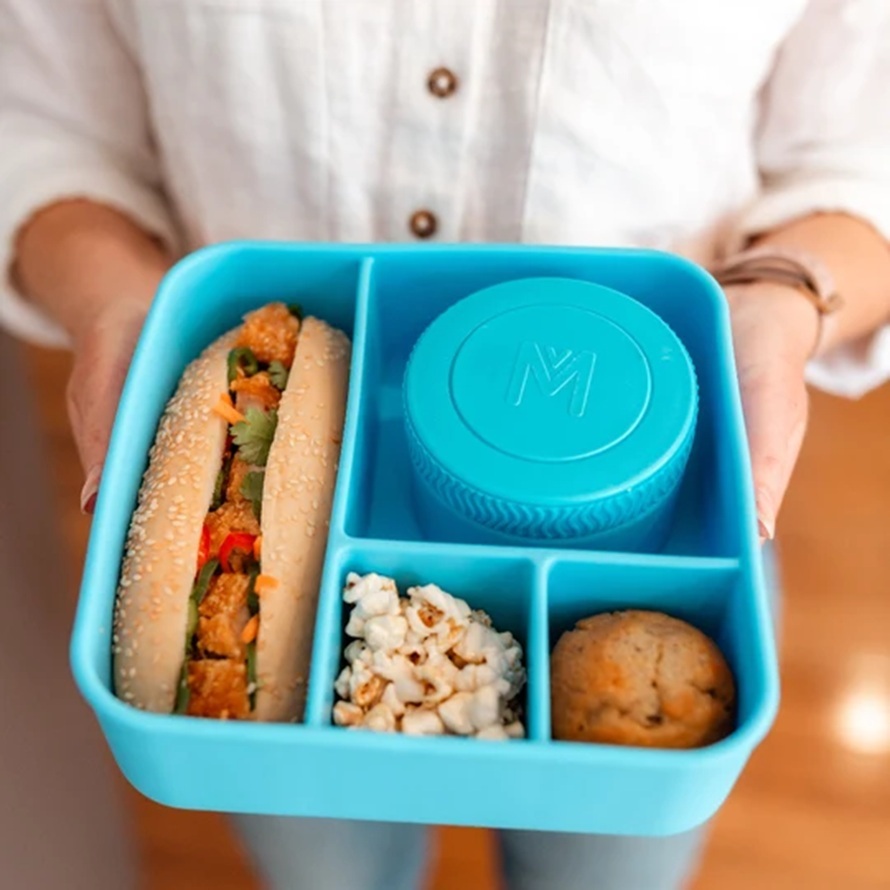
From hearty soups and pasta to yoghurt, fruit and other chilled favourites, you can keep your meals ready for the day ahead with a food jar insulated for lasting temperature retention. The size of your jar determines how much you can pack and how conveniently it fits into your everyday routine. Rather than automatically choosing the largest option, consider your typical meals and how much food you need to feel satisfied.
Compact Jars for Smaller Portions
Smaller insulated food containers are suitable for children’s lunches, light meals, snacks and side dishes. They’re also practical when you want to pack a little soup to accompany a sandwich or carry a portion of porridge for a morning outing. Their compact dimensions can make them easier to fit into school bags, backpacks and work totes.
Medium-Sized Jars for Everyday Lunches
Medium-capacity jars offer a useful balance between portion size and portability. They’re worth considering for individual servings of soup, rice dishes, pasta or leftovers from dinner. If you regularly bring lunch to work or school, look for a size that accommodates your usual meal without leaving too much unused space.
Larger Jars for Hearty Meals
Larger insulated containers for food are useful for bigger appetites, longer days away from home or meals that include generous portions. They can accommodate substantial servings of stews, curries and other filling dishes. Remember that a larger option may be heavier when full and take up more room in your bag. Check its dimensions and capacity before deciding.
Materials and Insulation Performance
Unlike common food jars, the materials used in an insulated food jar affect its durability, weight, cleaning requirements and ability to maintain food temperature.
Stainless Steel Construction
Stainless steel is a common choice for insulated food jars because it is durable, resistant to corrosion when properly maintained and suitable for repeated everyday use. Many designs combine a stainless-steel interior with an exterior shell that protects the insulated structure.
When comparing options, check the manufacturer’s material specifications and care instructions. These details help you understand how the stainless-steel food jar insulated for temperature regulation should be maintained over time.
Double-Wall Vacuum Insulation
Vacuum insulation is one of the main features to look for when temperature retention is a priority. By reducing heat transfer through the space between the walls, this construction helps preserve the temperature of hot and cold meals.
Look for clearly stated temperature-retention times rather than relying solely on general claims about keeping food warm or cold. These figures make it easier to compare different jars and choose one suited to your schedule.
Lid Design and Leak Resistance
A food jar can have excellent insulation, but an inconvenient or poorly sealed lid can make it frustrating to use. Pay attention to how the container opens, closes and travels.
Secure, Leak-Resistant Closures
A screw-on lid with a suitable sealing gasket can help prevent leaks when correctly fitted. This is particularly important if you plan to carry soups, sauces or other liquids in a backpack.
Check whether the manufacturer describes the jar as leak-proof and follow the instructions for closing it properly. Avoid assuming that every insulated container is suitable for carrying liquids loose inside a bag.
Lids that Double as Bowls
Some designs feature lids that can serve as small bowls, making it easier to enjoy lunch without bringing an additional dish. This can be especially convenient during camping trips, picnics or breaks away from a kitchen. Consider whether this feature would genuinely improve your routine or simply add unnecessary bulk.
Practical Features for Everyday Use
Small design details can make a noticeable difference when you use an insulated food jar regularly.
Wide-Mouth Openings
A wide opening makes it easier to fill the jar with chunky foods, spoon out meals and clean the interior. It’s particularly useful for dishes such as pasta, porridge, rice and thick soups. A narrower design may be easier to hold in some situations, so consider how you prefer to eat and handle your meals.
Built-In Cutlery
Some food jars include a folding spoon or a dedicated space for storing utensils. This feature can save room in your bag and reduce the chance of forgetting cutlery when leaving home. If you already carry a reusable cutlery set, however, you may prefer a simpler design.
Compartments and Accessories
Certain containers offer additional inserts or compartments for separating different foods. These can be useful when you want to keep toppings or side dishes apart from the main meal. Before choosing a multi-part design, check how much room remains for the main serving and whether the extra pieces are easy to clean.