Home and Garden
Glass Balustrade Spigots: Types, Uses and What to Consider Before Buying

Balustrades have featured as a traditional architectural elements in Australian homes since Victorian times, when ornate timber and wrought iron framed verandahs, balconies, and staircases. Today, design trends have moved toward sleek materials and open spaces, placing frameless glass panels at the centre of contemporary styling.
At the base of these transparent systems are glass balustrade spigots – heavy-duty metal clamps that anchor the glass panels securely to the floor or deck without the need for bulky top or side frames. The combination provides uninterrupted outdoor views while meeting strict Australian safety standards for strength and durability.
Glass Balustrade Spigots – The Basics

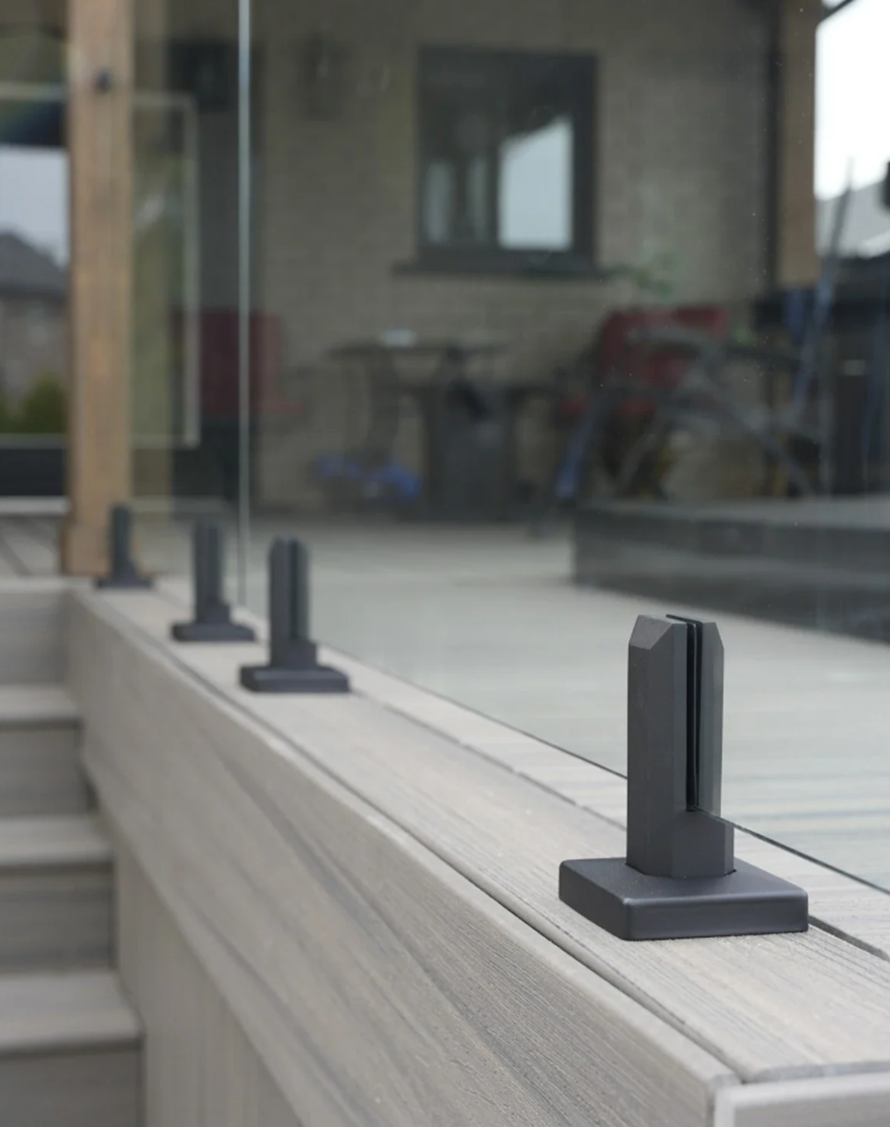
source: glassrailingstore.com
As a heavy-duty architectural fixture, a glass balustrade spigot is designed to secure frameless glass panels to a floor or base structure. Produced from high-grade stainless steel or anodised aluminium, these structural fittings act as load-bearing clamps that securely grip the bottom edge of a glass panel. Because they hold the panels without requiring continuous framing or vertical posts, they are used to create completely unobstructed views in interior and exterior architectural elements, ranging from balconies, decks and patios, to staircases and interior partitions.
Core Roles and Functions
- Structural support: Spigots clamp tightly around the lower part of each glass panel to anchor it safely against wind loads, pressure, and mechanical stress.
- Frameless designs: By gripping panels at discrete point locations rather than using full-length base channels or bulky posts, they create a transparent, floating appearance.
- Safety and fall protection: A glass balustrade spigot acts as rigid load-bearing anchors that secure panels and ensure safety compliance in balconies, staircases, terraces and pool fences.
- Weather resistance: Corrosion resistant materials, such as Duplex 2205 stainless steel and marine-grade aluminium provide high corrosion, chemical and weathering resistance, and long-term durability for hot and humid climates.
Benefits for Australian Homes
Unobstructed Views
Unlike traditional balustrades with thick metal bars, wooden balusters, or bulky frames, glass spigots eliminate these visual obstructions, allowing residents to enjoy panoramic views of their surroundings. This is especially true in homes with coastal, mountain or city views.
Enhanced Natural Light
Transparent glass panels maximise natural light, making indoor and outdoor spaces feel brighter, larger, and more open. This is especially beneficial for small balconies or dark stairwells, where it transforms confined and cramped spaces into bright, inviting areas.
Improved Drainage
Compared to continuous base rails or channel systems that can trap water against balcony or deck floors, spigot-mounted glass panels leave just enough space off the ground for easy water runoff.
Simplified Installation and Adjustment
Spigots are anchored using simple point-fixing to floors, mainly as core drilled or base-plated varieties. Most types can also be adjusted for easy alignment of individual glass panels.
Core-Drilled vs Base-Plated Spigots
Selecting the right spigot starts with the mounting substrate and site conditions:
- Core-drilled spigots: These are dropped into a 70mm to 80mm cylindrical hole drilled directly into a concrete slab and locked in place using high-strength, structural grout or epoxy. They provide maximum wind stability and a minimalist, flush finish, ideal for new builds and tiled outdoor areas.
- Base-plated (surface-mounted): Featuring a flat flange plate, these bolt directly onto top surfaces like timber decking, existing concrete, or tiled balconies using mechanical or chemical anchors. They also include snap on covers to conceal bolts. Choose these for timber decking, retrofits, or where core-drilled spigots aren’t an option.
Why Materials Matter

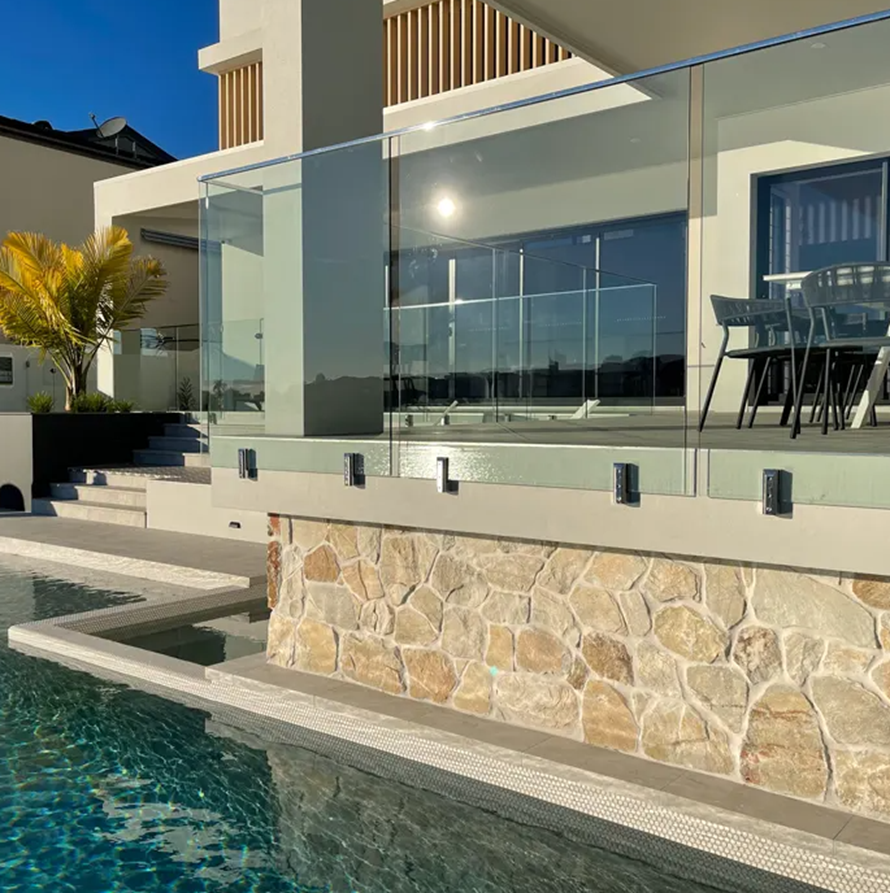
source: poolfencinggoldcoast.com.au
Selecting the correct spigot materials ensures structural integrity, prevents failure under heavy winds or loads, and provides longevity in harsh conditions. Common options in Australia include:
- Duplex 2205 Stainless Steel: This is the standard choice for Australian installations, benefiting from exceptional tensile strength, and high chemical, UV and corrosion resistance. Typical lifespans exceed 15 years.
- Marine-grade 316 Stainless Steel: This is a reliable, high-performance option, that is well-suited for general outdoor and coastal applications requiring high rust resistance.
- 304 Stainless Steel: A cost-effective grade with good nickel content, 304 stainless steel is best suited for indoor or sheltered residential areas away from marine environments.
- Non-conductive Composites: Common choices in pool fencing, non-conductive and insulated polymer balustrade spigots ae designed to address electrical earthing issues and prevent advanced corrosion.
Standards Requirements and Other Buying Considerations
A glass balustrade spigot must comply with strict safety regulations defined under the National Construction Code (NCC). Key regulations are AS 1288:2021, which relates to glass thickness, what glass type is legal, and whether handrails are mandatory; AS 1170:1 determining the rated structural loads spigot must withstand; and AS 1926:1 relating to spigot strength, gap limits and glass panel heights for non climbable zones (NCZs) in swimming pool fencing.
For consistent and flush finishes in glass balustrades, pair spigots with common hardware accessories, such as decorative cover plates when concealing anchor bolts; U-shaped or slotted top rails to protect against sharp top glass edges and compatible fasteners and fixings for the substrate type, ranging from wedge anchors or expansion bolts for concrete, and heavy-duty bugle or lag screws for timber.