Lifestyle
Flying High: Brazil Flags in Carnival, Football, and Beyond

It’s impossible to talk about Brazil without picturing its vibrant colours, rhythmic energy and unstoppable national pride. And no symbol captures this better than the iconic flag of Brazil. Whether it’s fluttering high above samba dancers at Carnival, draping around football fans in celebration, or hanging proudly over balconies and backpacks alike, the flag is much more than fabric—it’s a statement of identity, unity, and joy.
The Flag: More Than Just Colours

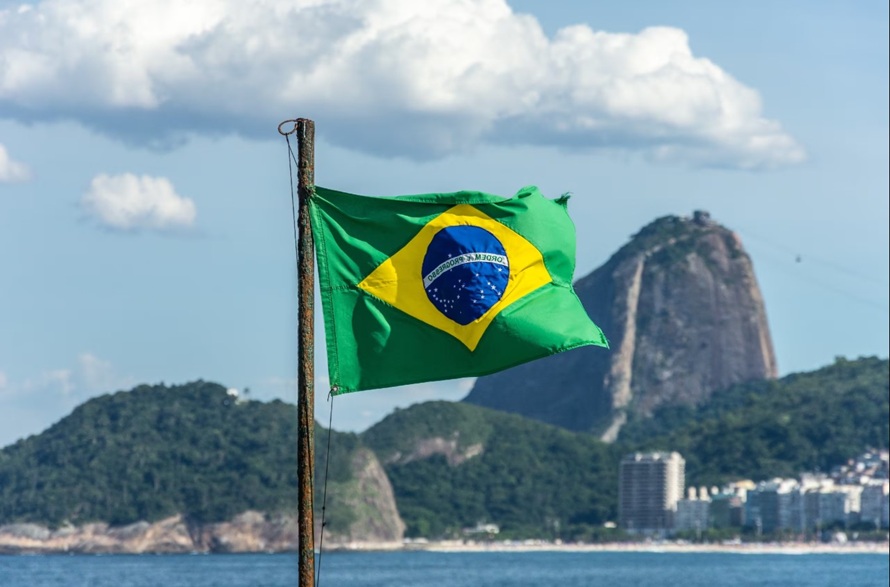
source: mappr.co
The green field, yellow diamond, blue globe, and a scattering of stars surrounding the motto “Ordem e Progresso” (Order and Progress) are more than mere design choices.
Each element holds a meaning. The green represents Brazil’s lush forests, the yellow stands for the country’s wealth and natural resources, the blue globe mirrors the sky over Rio de Janeiro on the night of the republic’s declaration in 1889, and the stars represent the country’s states. The Brazil flags in varying sizes are an emotional anchor—and they’re everywhere.
Carnival: The Flag Takes Centre Stage
Come February or March, Brazil bursts into full-on celebration mode with Carnival, a dazzling cultural spectacle known across the globe. And amidst the feathers, sequins, and samba beats, the Brazil flags make a stunning appearance in the most imaginative ways.
Dancing with Colours
Many samba schools weave elements of the flag into their themes and costumes. You’ll see floats draped in green and yellow, dancers waving massive banners, and performers dressed as glittering stars and swirling stripes. It’s theatrical, loud, and utterly delightful.
Even outside the official parades, the streets are awash with flags tied around waists, painted on cheeks, or draped from balconies as partygoers flood the neighbourhood blocos (street parties). The Brazil flag becomes a unifying element, transforming neighbourhoods into living rainbows of national pride.
Unity in Celebration
While Carnival is a deeply diverse and multifaceted festival, the Brazil flags serve as a common thread, reminding revellers that behind every drumbeat and dance move lies a shared sense of belonging. It’s not just about patriotism; it’s about people celebrating their country and culture together.
Football: A Passion Draped in Green and Gold
If Carnival is Brazil’s heart, football is its soul—and the flag flies proudly over both.
A Stadium Spectacle
Step into any Brazilian football stadium and you’ll be met with a sea of flags. They’re painted on faces, worn as capes, waved in the air, and even over entire sections of stands. The flag becomes a badge of hope, belief, and sometimes heartbreak, especially during major tournaments like the World Cup or Copa América.
One of the most iconic visuals in global sport is a Brazil fan, tears in their eyes, clutching the flag tightly during a nail-biting penalty shootout. It’s emotional theatre in real time.
On the Pitch and Off
The players themselves carry the flag with honour—literally. After a victory, it’s common to see team members sprinting around the pitch with the Brazil flags billowing behind them. It becomes a symbol of triumph, resilience, and that trademark Brazilian flair.
Even football kits, training gear, and promotional materials bear the green and gold, reinforcing how deeply the flag is embedded in Brazil’s sporting culture.
Beyond the Celebrations: Daily Life and Protest
While Carnival and football showcase the Brazil flag in its most joyful light, the flag also plays a role in everyday expressions of identity and even political discourse.
Everyday Patriotism
From schools and government buildings to local shops and homes, the flag is a daily sight. It’s pinned on walls, printed on notebooks, and hoisted on national holidays like Independence Day (Sete de Setembro). Children learn its meaning early, reciting the national anthem under its gaze.
Even in fashion, accessories like flip-flops, swimwear, and t-shirts proudly bear the flag or its colours. Whether you’re on a Rio beach or in a São Paulo café, odds are you’ll spot someone sporting a little piece of Brazil’s pride.
A Banner for Change
But the flag isn’t only for celebration. It’s also used as a symbol of protest and activism, appearing in marches, rallies, and political demonstrations across the country. Different movements, both progressive and conservative, have waved the flag of Brazil to represent their hopes for a better nation.
This duality speaks volumes about its power. The flag doesn’t belong to one party or one moment—it’s a shared symbol open to interpretation, passion, and purpose.
Flying High Abroad: Brazil Flags Around the World
It’s not just within Brazil that the flag finds its home. Brazilian expats and travellers proudly wave their flag at international events, concerts, academic ceremonies, and even during global crises. Whether it’s a capoeira performance in London, a Brazilian food festival in Tokyo, or Olympic athletes carrying it through a parade of nations, the Brazil flag connects people to home, no matter how far they are from it.
And let’s not forget tourism. Souvenir shops offer every imaginable item branded with the flag—from mugs and magnets to hammocks and hats. For visitors, taking home a Brazil flag-themed trinket is a way to bottle the country’s warmth and energy.
Conclusion
The flag of Brazil is more than a static banner, it’s a living, breathing symbol of a nation in motion. It dances through Carnival parades, cheers in football stadiums, rallies in protest marches, and flutters on sunny balconies and sandy beaches. It unites people in joy, pride, and even in struggle.
Whether you’re wearing it on your chest, waving it high in the crowd, or watching it glide across a parade float, this flag reminds us of the beautiful, complex, and passionate spirit of a country that always flies high.