Lifestyle
Essential Camping Gear Checklist for Beginners

There’s nothing quite like planning your first camping trip. The thought of fresh air, crackling campfires and waking up to birdsong is wonderfully romantic. And then comes the packing list. Suddenly, you’re staring at your bedroom floor, wondering how on earth people fit “the great outdoors” into a car boot. What do you actually need? What’s optional? And what will you deeply regret forgetting at 2 am in a chilly field?
The truth is, the right gear can make the difference between a magical weekend and a mildly soggy endurance test. Camping doesn’t have to be complicated, but it does require a little preparation.
Sleeping Gear: Comfort Is Everything

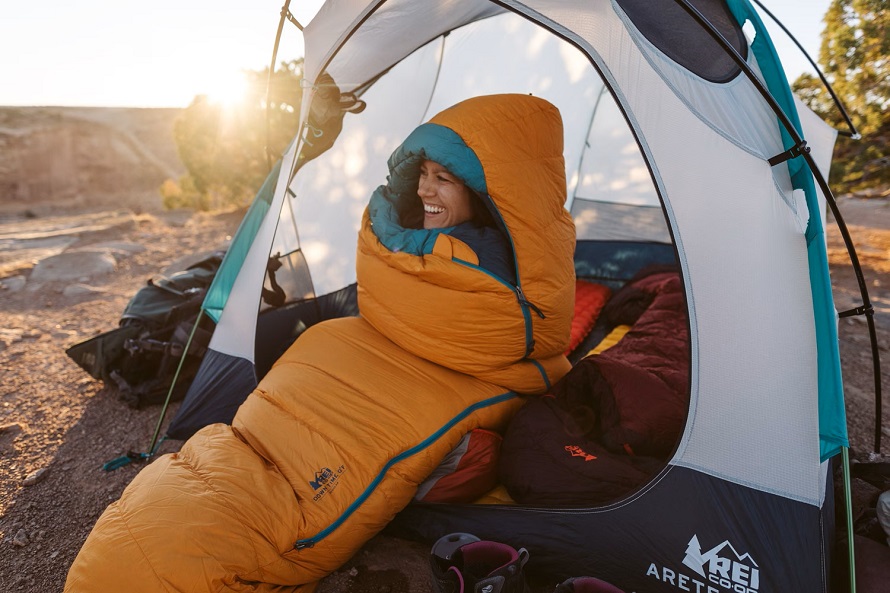
source: rei.com
If there’s one area not to cut corners, it’s your sleeping setup. A poor night’s sleep can overshadow an otherwise perfect trip.
Sleeping Bags
A good night’s sleep changes your entire camping experience. If you stay warm and comfortable, you wake up refreshed and ready to explore. If you spend the night shivering or tossing around, the next day feels much longer.
When you buy sleeping bag for camping, temperature ratings should be the first thing you check. These ratings show the lowest temperature at which the bag can keep you comfortable. For most trips from spring to autumn, a three-season bag offers the right balance of warmth and versatility.
Shape also affects comfort. Mummy-shaped bags fit closely around your body and hold heat efficiently. Rectangular designs give you more space to stretch and move. If you tend to shift position during the night, the extra room can feel much more comfortable.
Insulation plays a big role, too. Down insulation packs down small and feels very light, which many campers appreciate when travelling. Synthetic insulation performs better in damp weather and dries more easily if moisture gets inside. Since campsites often deal with dew or humidity, many beginners prefer synthetic materials for peace of mind.
Alongside the bag itself, your sleeping pad deserves attention. The ground pulls heat away from your body surprisingly fast, even during mild weather. A sleeping pad adds insulation and cushioning between you and the earth.
You’ll usually see two main types:
- Foam pads – simple, durable and budget-friendly
- Inflatable pads – compact and far more comfortable
Many campers eventually choose inflatable pads because they feel closer to a proper mattress.
You may also want a small camping pillow. If you prefer to pack light, simply roll a fleece or spare clothing into a soft bag. That quick solution works surprisingly well.
When choosing sleeping bags, think about the conditions you expect to face. Cool evenings, damp grass, and fresh morning air can all affect your comfort. A well-chosen bag helps you stay warm, sleep deeply and wake up ready for the next adventure.
Shelter: Your Home Away from Home
Your tent is your base camp, your refuge from rain and wind, and the place you’ll retreat to after a long day outdoors. Choosing the right one is important.
Tent
For beginners, a simple dome tent is usually the easiest option. They’re straightforward to pitch and generally hold up well in typical British weather. When choosing a size, resist the temptation to go as small as possible. A “two-person” tent can feel cosy to the point of claustrophobia once you add bags and boots. If space allows, size up.
Check the waterproof rating (often shown as hydrostatic head). British camping often involves at least a bit of drizzle, so a decent rainfly is essential.
Groundsheet or Footprint
A groundsheet sits underneath your tent and protects it from sharp stones, damp ground and wear. Some tents come with a fitted footprint, but if yours doesn’t, a simple tarp will do the job nicely. It’s a small addition that can significantly extend your tent’s life.
Tent Stakes and Mallet
Tent pegs (or stakes) keep everything firmly anchored. Make sure you have enough, and consider packing a small rubber mallet to drive them into harder ground. Nothing says “rookie camper” like chasing your tent across a breezy campsite.
Clothing Essentials
Camping clothing should keep you comfortable through changing weather. Instead of packing bulky items, focus on layers you can add or remove throughout the day.
Start with a breathable base layer that sits close to your skin. It helps manage moisture and keeps you comfortable while walking or setting up camp. Over that, wear an insulating layer such as a fleece or lightweight jacket. When the temperature drops in the evening, that extra warmth feels wonderful.
A waterproof jacket should always sit somewhere near the top of your bag. Rain can appear suddenly, and a reliable outer layer keeps you dry and comfortable while you move around camp.
Your footwear also matters. Supportive trainers or walking boots handle trails and uneven ground easily. Once you settle at the campsite, a pair of sandals or lightweight shoes can make relaxing around the fire far more pleasant.
Pack extra socks, too. Dry feet make a big difference after a long day outside.
Lighting and Power
Campsites get dark. Properly dark. While your phone torch might help you find your toothbrush, it’s not a long-term solution.
Headlamp or Torch
A headlamp is incredibly practical, keeping your hands free while cooking, pitching a tent or navigating midnight trips to the loo. A small lantern can also create a cosy atmosphere inside your tent.
Power Bank
If you plan to use your phone for maps or photos, bring a power bank. Keep it charged and stored somewhere dry.
Cooking and Food Gear

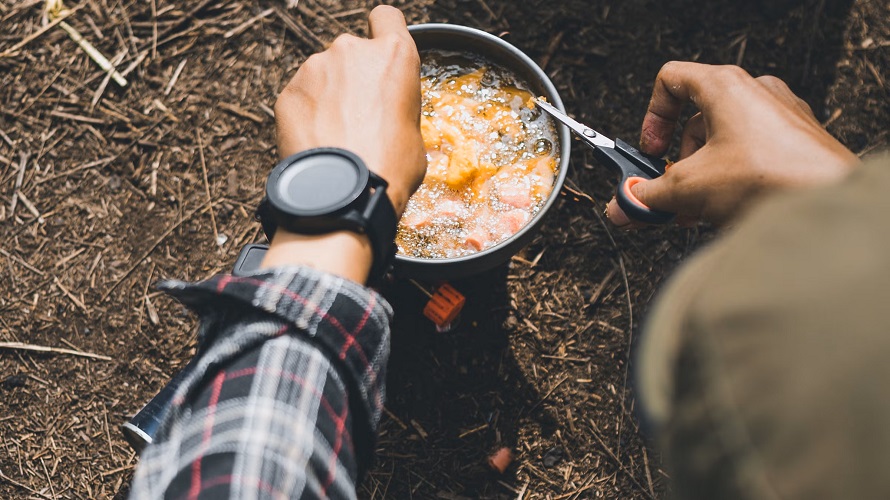
source: outsideonline.com
Food always tastes better outdoors. Even a simple meal can feel satisfying after a day of hiking or exploring.
A compact camping stove makes cooking straightforward. You can boil water quickly for tea, coffee or instant meals. Before leaving home, practise lighting the stove so you feel comfortable using it.
For cookware, keep things simple. Most beginners manage perfectly with:
-
A lightweight pot
-
A small pan
-
A mug
-
Basic utensils
A cooler helps keep perishable food fresh during shorter trips. Store food carefully and keep everything sealed to avoid attracting curious wildlife.
Always pack enough drinking water or plan where you will refill it safely.
Beginner Mistakes to Avoid
Many first-time campers learn a few lessons the hard way. A little preparation can help you avoid the most common problems.
One mistake people make involves underestimating nighttime temperatures. Even during warmer months, the air can cool down quickly after sunset. When you buy sleeping bag equipment, choose one that keeps you warm through the night rather than just comfortable at sunset.
Another common mistake involves overpacking. You might feel tempted to bring every possible item, but carrying too much gear quickly becomes frustrating. Focus on the essentials and keep things simple.
Before your trip, practise pitching your tent at home. That quick rehearsal saves time and confusion when you arrive at the campsite.
Finally, check the weather forecast before leaving. A few small adjustments to your clothing or shelter can make the entire experience far more enjoyable.