
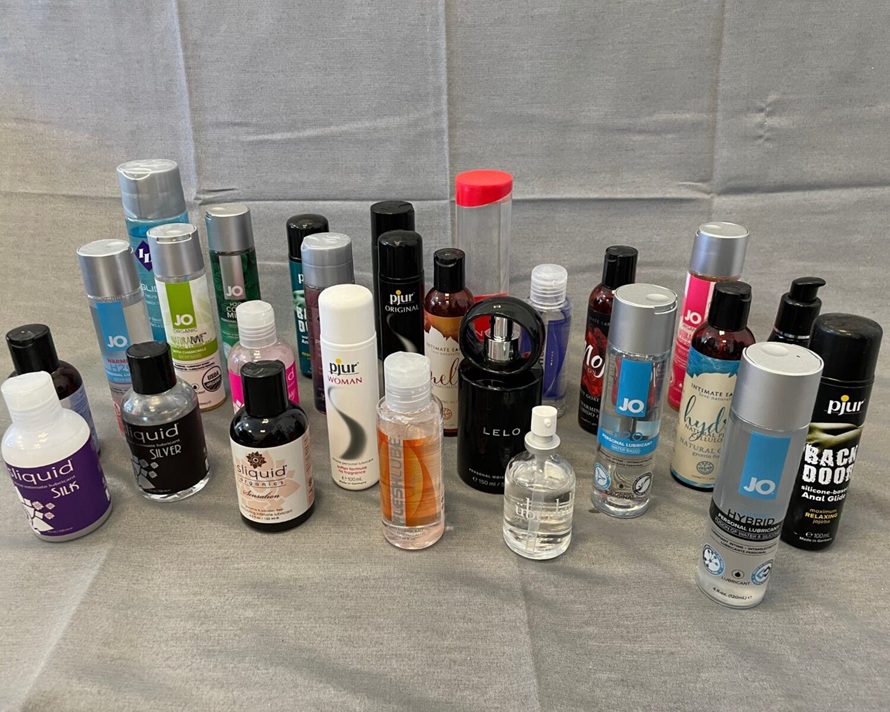


Lifestyle
Different Types of Anal Lubricants and Which Ones to Avoid

When people start dabbling in anal play, one thing quickly becomes clear: lubrication is essential. Unlike other parts of the body, this area doesn’t naturally create moisture, which means choosing the right product adds comfort and safety. A good anal lubricant can make the experience feel smoother, reduce friction, and lower the risk of irritation or small injuries that can take the fun out of it.
Whether you’re new to this or simply want to make more informed choices, it’s important to understand how different formulas work. You should know the main types of lubricants, what makes them suitable (or not) for you and what you should steer clear of.
Different Types of Anal Lubricants
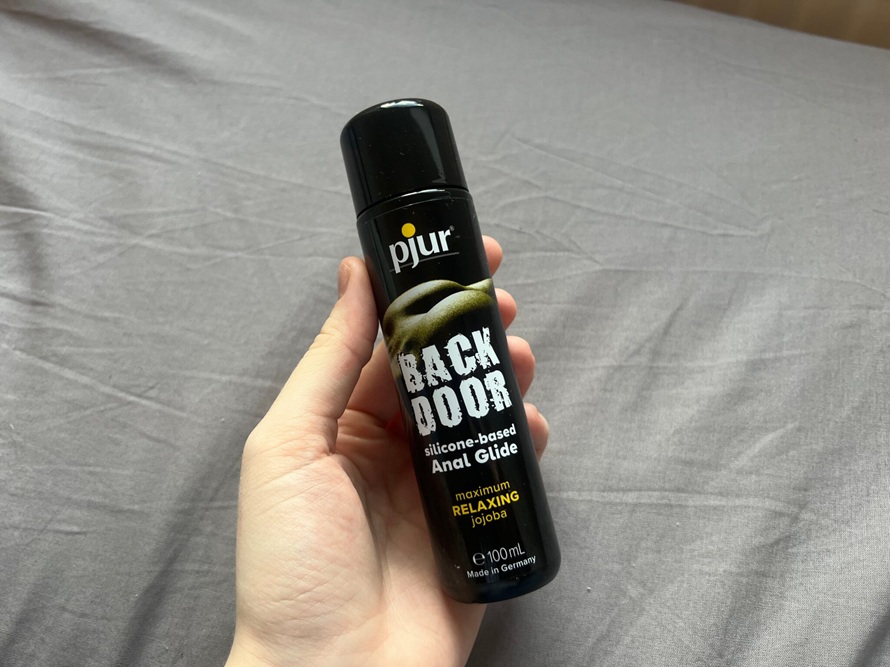
source: bedbible.com
When choosing a product, there isn’t a universal “best” option. What works well for one person might not feel as comfortable for someone else. Bodies are different, preferences vary, and comfort should always come first. The key is understanding the main types available and how each one behaves, so you can decide what suits your needs.
Water-Based
Water-based lubricants are often the starting point for many people. Choose body-safe and easy-to-use anal lubes if you’re after something widely available and generally simple to use. One of their biggest advantages is versatility. They’re compatible with most condoms and safe to use with a wide range of toys, which makes them a practical choice if you like flexibility.
Clean-up is also easy since they rinse away with water and typically don’t leave marks on fabrics. For those with sensitive skin, many water-based options are formulated to be gentle, though it’s still wise to check the ingredient label. The main downside is that they tend to dry out faster than other types, so you may need to reapply the product to maintain comfort and reduce friction.
Silicone-Based
If you’re looking for something that lasts longer without needing frequent reapplication, silicone-based anal lubricants are often considered a step up in durability. They have a smooth, slippery texture that remains consistent for extended periods. This can be especially helpful during longer sessions when you don’t want interruptions.
Silicone formulas are generally safe to use with most condoms, but it’s important to confirm compatibility on the packaging. One thing to keep in mind is that silicone lubricants shouldn’t be used with silicone toys, as they can gradually damage the material. They can also be a bit trickier to wash off and require soap rather than just water. While they often cost more than water-based options, many people find the longevity worth the investment.
Oil-Based
What’s special about oil-based lube? These anal lubes are known for their rich and cushioning feel. Some are made with natural oils like coconut, jojoba, or grapeseed oil, which can feel nourishing on the skin.
They also tend to last a long time without drying out, which can reduce the need for reapplication. However, oil-based products are not safe to use with latex condoms because they can weaken the material and increase the risk of breakage. That’s an important safety consideration.
Additionally, some individuals may experience irritation or allergic reactions depending on the type of oil used. This is why it’s a good idea to test a small amount on the skin beforehand. Oil-based lubes can also stain sheets or clothing more easily than other types.
Hybrid
There are also hybrid lubes, which combine elements of water-based and silicone-based formulas. These offer a balance between easy clean-up and longer-lasting glide. Many people appreciate that hybrids feel smoother than standard water-based options but aren’t as heavy as full silicone products. As with any lubricant, it’s important to check the ingredients, especially if you have sensitive skin or are prone to irritation.
No matter which type you consider, the most important factors are comfort, compatibility, and safety. Choose a product that works well with your body and any protection or toys you’re using. This will help reduce friction and minimise discomfort. Read labels, understand materials, and listen to your body to make a choice that feels right for you.
What to Avoid
Choosing the right anal lube is just as important as knowing what not to use. Some products might seem like quick fixes in the moment, but they can do more harm than good. Take petroleum jelly, for example. While it’s thick and slippery, it’s not designed for intimate use. It can trap bacteria and upset the area’s natural balance, increasing the risk of irritation or infection. It’s also difficult for the body to clear away, making it less than ideal for this kind of activity.
Another common misconception is that saliva works well enough on its own. The truth is that spit dries up fast and doesn’t provide enough cushioning to reduce friction properly. That can lead to discomfort and even small tears. Using a proper anal lubricant helps make the experience smoother, safer, and far more comfortable for everyone involved.
Ways to Reduce Pain
Using plenty of lubricant is a must for safer and more comfortable anal sex, but it’s important to remember that lube isn’t a magic fix. Everyone’s body is different, and sometimes discomfort can still happen even when you’re doing things “right.” If pain continues despite trying different products and going slowly, it might be worth speaking to a qualified medical professional.
In some cases, treatments like small, carefully administered Botox injections can help relax the anal sphincter muscles. It’s a quick procedure done in a clinical setting and can make a noticeable difference in comfort. If this is something you’re considering, always consult a licensed provider who can explain the risks, benefits, and whether it’s appropriate for you!