Automotive
Choosing the Right Types of Brake Pads For Your Toyota Corolla

The Toyota Corolla has earned its reputation as one of the most reliable and practical cars on Australian roads, and it’s easy to see why so many drivers keep coming back to it. With its fuel efficiency, low running costs and reputation for lasting well beyond the odometer of most other hatchbacks, the Corolla is a sensible choice whether you’re commuting through the city or taking longer trips on the highway. Since the Corolla is built to be dependable, keeping up with maintenance items like brakes is essential to make sure it stays that way for years to come.
Types of Brake Pads for Your Toyota Corolla

source: autozone.com
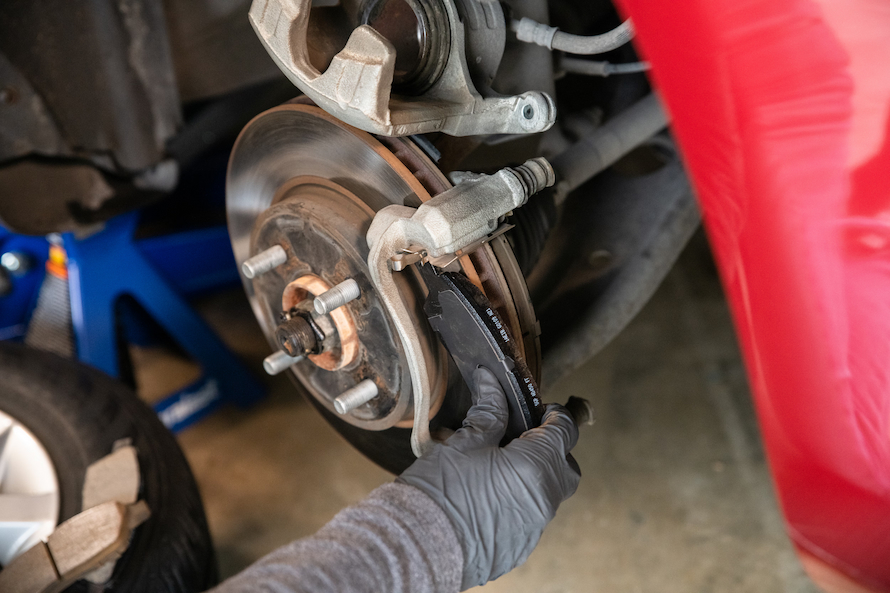
Choosing the right replacement brake pads for your Toyota Corolla depends on how you balance performance, noise, and brake dust. Here is a quick breakdown of the four main Toyota Corolla brake pad types available on the market:
Semi-Metallic
Semi-metallic brake pads are made from a mix of metal fibres, typically including copper, steel or iron, combined with fillers and friction modifiers. These pads are known for their strong stopping power and heat resistance, which makes them a solid pick for drivers who do a fair bit of stop-and-start city driving. While it performs well under pressure, a semi-metallic Toyota Corolla brake pad can be a bit noisier than other options and tends to create more brake dust, which means your wheels might need cleaning more often.
Organic
Organic Corolla brake pads, sometimes called non-asbestos organic pads, are made from a blend of fibres such as glass, rubber and resin, bound together with heat-resistant adhesives. These pads are generally quieter and gentler on your rotors compared to metallic options, which makes them a popular choice for everyday driving around town. Since they’re softer than other materials, though, organic pads tend to wear down faster and may not be the best option if you’re after long-lasting performance.
Low-Metallic
Low-metallic brake pads sit somewhere between organic and semi-metallic pads, using a smaller amount of metal fibres mixed with organic materials. This combination gives you a bit of extra stopping power compared to fully organic pads, while still keeping noise levels reasonably low. As you’d expect from a Corolla brake pad with metal content, low-metallic options can produce more dust than organic pads, but they typically offer better heat transfer and braking feel.
Ceramic
While ceramics are usually synonymous with pottery, in the automotive world they refer to a brake pad material made from dense ceramic compounds combined with small copper fibres. Ceramic Toyota Corolla brake pads are known for being quiet, producing minimal dust, and offering a smooth, consistent brake feel across a wide range of temperatures. They typically come with a higher price tag than other options, but many Corolla owners find the reduced maintenance and cleaner wheels well worth the extra cost.
How to Take Care of Your Toyota’s Brake Pads
Coast
Coasting to a stop rather than braking hard at the last second helps reduce unnecessary wear on your pads and rotors. Since this technique relies on anticipating traffic and slowing down gradually, it’s a simple habit that can make a real difference over time.
Speed
Driving at a reasonable and steady speed, rather than accelerating quickly and braking hard, helps keep heat build-up to a minimum. This is especially important because excessive heat can cause brake pads to wear down faster and lose effectiveness.
Two-Foot
Using only one foot for both the accelerator and brake pedal helps avoid the habit of riding the brakes while still accelerating. Two-foot driving, where one foot rests on the brake pedal, can cause unnecessary friction and premature wear, so it’s best avoided.
Lightweight
Keeping unnecessary weight out of your Corolla helps reduce the strain placed on your brakes every time you slow down. A lighter car requires less braking force, which in turn helps prolong the life of your pads.
Hurry to Stop
Slamming on the brakes at the last moment puts a lot of extra stress on your pads and rotors, so it’s worth avoiding whenever possible. Planning ahead and leaving enough distance between you and the car in front helps you stop more smoothly and safely.
When to Replace Brake Pads

source: familyhandyman.com
Light
Many modern Corollas come fitted with a brake pad warning light on the dashboard, which lets you know when your pads are getting low. This is one of the easiest ways to stay on top of replacement timing without needing to inspect the pads yourself.
Sound
A high-pitched squealing or grinding noise when you brake is often a clear sign that your pads need attention. This sound typically comes from a small metal indicator built into the pad, which is designed to alert you before your Corolla brake pad wears down completely.
Pulling
If your Corolla pulls to one side when you brake, it could mean the pads are wearing unevenly. This is worth having checked promptly, since uneven wear can affect your car’s handling and overall safety.
Inspection
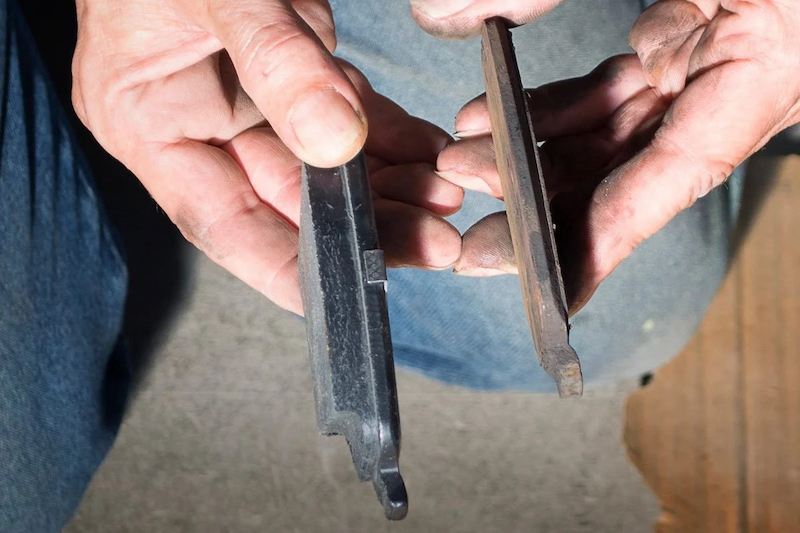
A visual inspection through your wheel spokes can give you a rough idea of how much pad material is left. If your Corolla brake pad looks thinner than 3mm, it’s generally time to start planning a replacement.