Industry
A Guide to Choosing the Right Plastic Storage Tubs for Industrial Use

Efficient storage is the backbone of any warehouse, workshop, distribution centre or manufacturing facility. Keeping materials organised not only saves valuable floor space but also improves inventory control, reduces handling time and helps create a safer workplace.
As businesses continue to streamline operations, durable storage solutions have become an essential part of day-to-day productivity rather than an afterthought. Reusable plastic containers are particularly suitable for demanding industrial environments because they resist moisture, corrosion and many common workplace contaminants while requiring minimal maintenance. Unlike cardboard alternatives, they are designed for repeated use, making them a practical long-term investment for businesses that regularly move, store or transport goods.
Different Types of Plastic Storage Containers

source: instagram.com
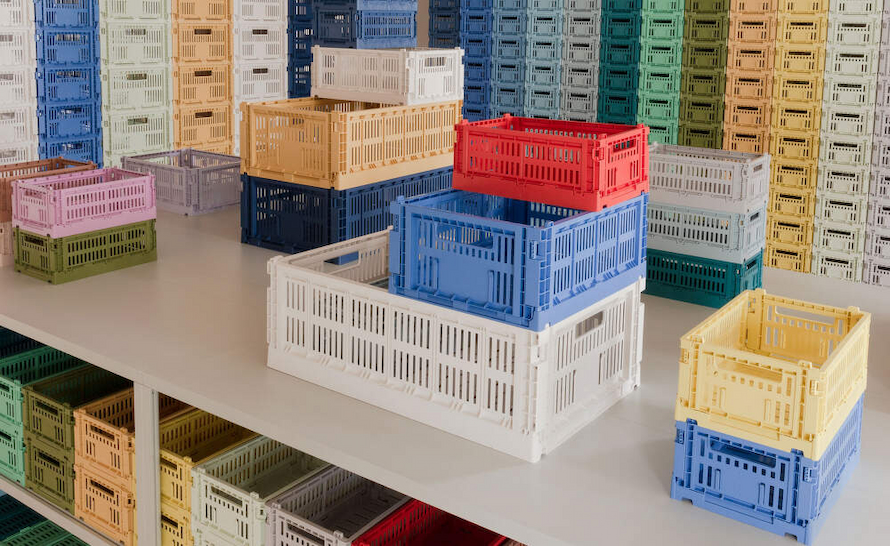
Different jobs require different storage solutions, which is why versatile plastic storage tubs are available in several configurations to suit a range of industrial applications.
Common options include stackable tubs that maximise vertical storage space, stack-and-nest designs that reduce the footprint of empty containers, attached-lid containers that protect contents during transport, heavy-duty bulk tubs for larger loads, and specialised crates designed for food handling, automotive components or small parts organisation.
Each style addresses a different operational need while helping improve handling efficiency and product protection. Straight-sided tubs generally maximise internal capacity, whereas tapered or nestable designs save valuable storage space when not in use. Many industrial-grade containers are manufactured from robust polyethylene or polypropylene, materials chosen for their impact resistance, chemical resistance and long service life in busy workplaces.
A Tub for Every Job
Choosing the right plastic storage container involves more than selecting the largest capacity available. The nature of the stored items, handling methods and warehouse layout all influence which design delivers the greatest efficiency.
Heavy components often benefit from reinforced containers that maintain their shape under load, while frequently transported goods may require secure lids to reduce the risk of spills or contamination.
Businesses handling food products generally rely on food-grade containers that are easy to clean and designed to support hygienic storage practices. For warehouses processing high stock volumes, stackability plays an important role in making better use of vertical space without compromising stability. Likewise, containers intended for repeated transport should withstand regular impacts while remaining lightweight enough for efficient manual handling.
Getting More Out of Every Storage Solution

source: facebook.com
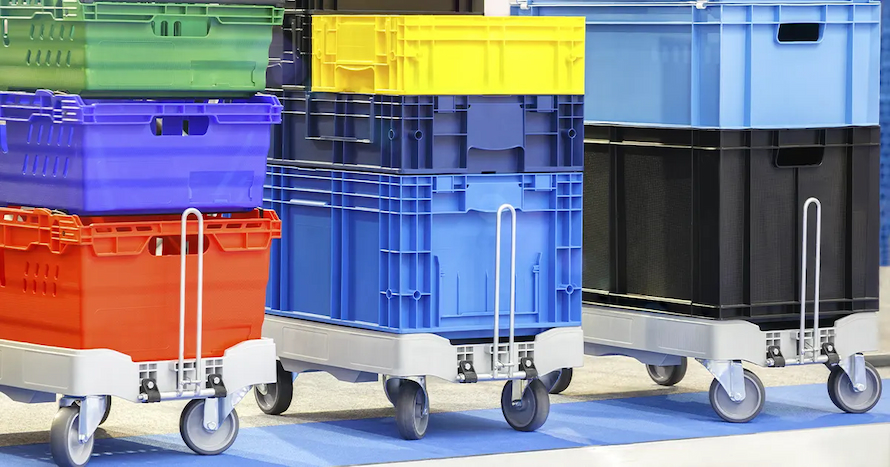
Industrial storage containers are expected to perform reliably under conditions that would quickly damage conventional packaging. Daily exposure to heavy loads, repeated stacking, forklifts, pallet movement and changing environmental conditions demands materials that retain their structural integrity over years of use.
Many industrial plastic storage tubs are engineered with reinforced rims, smooth internal surfaces and robust wall construction to withstand repeated handling while remaining easy to clean. Their resistance to rust, moisture and many industrial chemicals also makes them suitable for manufacturing facilities, warehouses, logistics operations and food-processing environments.
In addition to protecting stored goods, organised storage systems reduce misplaced inventory, improve picking accuracy and make routine cleaning and maintenance more straightforward. The availability of different capacities, shapes and specialised designs allows businesses to standardise storage across multiple departments without compromising operational flexibility.
Making Your Storage Decision Count
Selecting industrial storage equipment becomes much easier when operational requirements take priority over initial cost. Before making a decision, consider the following:
- Match the container design to the handling process, particularly if items are frequently stacked, transported or moved using pallets and material handling equipment.
- Consider whether nestable, stackable or attached-lid designs will improve storage efficiency throughout the entire workflow, not just during storage.
- Prioritise durable materials that resist impacts, moisture and workplace chemicals to maximise service life and reduce replacement costs.
- Plan for future growth by selecting storage systems that can be expanded or integrated with existing warehouse layouts and inventory processes.
- Choose containers suited to the intended application, especially where food handling, small parts organisation or heavy industrial components require specialised storage features.
Thoughtful selection improves productivity well beyond the storage area itself. Well-designed container systems, including plastic tubs, reduce unnecessary handling, minimise product damage, simplify stock rotation and support safer, more organised workplaces across a wide range of industries.
Storage That Supports Every Stage of the Workflow
Industrial storage is most effective when every container contributes to a more organised and efficient operation. From storing small components to handling bulky materials and transporting goods between facilities, the right solution supports smoother workflows while helping businesses make better use of available space.
Durable, reusable plastic storage containers remain a dependable choice because they combine strength, versatility and long service life with practical designs suited to demanding workplaces. By selecting storage tubs that match their needs, businesses can create flexible storage systems that continue to support their operations as requirements change.