Automotive
Mastering the Trail: How to Choose the Right Tyres for Your Quad Bike

The tyres on your quad matter more than most riders like to admit. They’re the components that connect ATVs and UTVs with the ground, determining grip, control and overall performance. While most quads come fitted with all-terrain tyres straight from the dealer, these can soon show their limitations when riding on tougher terrain or tackling high-speed trails.
The Role of ATV Tyres
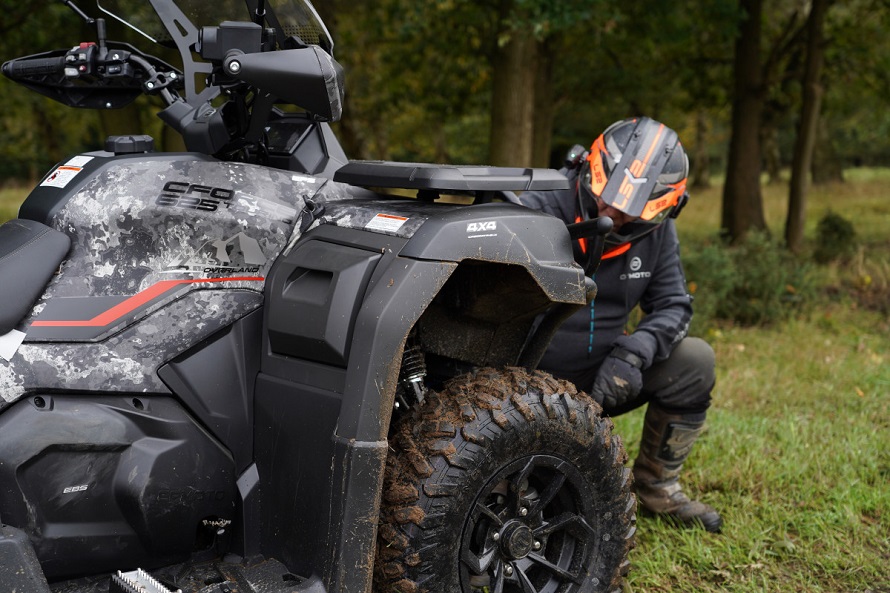
source: cfmoto.co.uk
The right ATV bike tyre impacts how your quad accelerates, brakes and negotiates varied surfaces. Tyres directly affect overall safety, performance and comfort levels, with varied levels of:
- Traction and grip: Varied tread patterns, including knobby, paddle and thicker mudding lugs, bite into different surfaces (mud, gravel, sand, snow) and ensure quads move forward without slipping.
- Shock absorption and cushioning: ATV rubber complements sophisticated suspension setups to absorb bumps and obstacles, providing a smoother, more comfortable ride.
- Ground clearance: Tyres in larger diameters effectively lift the quad higher off the ground, ensuring clearance and safety on trails littered with stumps, boulders or deep ruts.
- Durability with heavier loads: Variants with higher ply ratings, reinforced sidewalls and harder rubber compounds offer greater durability and puncture resistance when hauling heavy loads or handling demanding work. They also help maintain stability under added weight.
- Handling and steering control: Quad bike owners can opt for tyres in varying widths, for instance narrower front tyres for increased steering precision and control, or wider rear tyres when balancing heavier loads, or providing more stability in sharp corners and on uneven terrain.
Common ATV Bike Tyre Types
Where beginners often go wrong is sticking with general-purpose all-terrain tyres. While these offer a reasonable balance of speed and grip across different surfaces, from light mud and loose gravel to hard-packed trails, they can fall short in more demanding conditions. Typically featuring medium-sized lugs, more pronounced tread patterns and pressure ratings suited to everyday riding, these tyres also perform well on dry and wet surfaces, providing decent traction for general use.
Where they struggle is with compromised grip in deeper mud (often leading to issues with steering control), longer stopping distances on wet or ice-packed surfaces and poor performance in soft sand. They’re also prone to faster wear on abrasive surfaces such as asphalt or concrete (with soft to medium compounds) and punctures when riding technical trails with sharp rocks and stumps.
For versatility and more performance across different types of terrain, swap all-terrain tyres with the following:
- Mud tyres: Aggressive tread patterns and widely spaced lugs in mud tyres ensure quads have optimal traction on wet and slippery surfaces. The tyres are designed to clear debris and mud with each rotation and prevent clogging. Downsides are the rougher and noisier ride on hard surfaces, faster wear and increased weight that affects acceleration.
- Sand/paddle: These have paddle-like treads that help them float over soft, loose terrain, scooping up sand and gravel rather than digging into the surface. Their lightweight construction also helps maintain forward momentum. Designed specifically for sandy conditions, they aren’t suitable for hard-packed trails or asphalt, where they offer little to no traction.
- Rock: These are built from harder rubber compounds, with reinforced sidewalls and thicker ply construction to grip sharp rocks and prevent punctures. Their downsides are increased weight, meaning more sprung mass and slower acceleration in everyday use.
- Snow/ice: Designed from softer and more flexible rubber compounds, snow tyres provide optimal performance in cold weather. With wider lugs, they easily clear snow and ice and can be fitted with studs for extra traction.
- Grass/turf: Use these to prevent tearing up turf on lawns, golf courses and farmland. They have flatter, gentle treads to balance traction, speed and stability.
Sizing ATV Bike Tyres Right
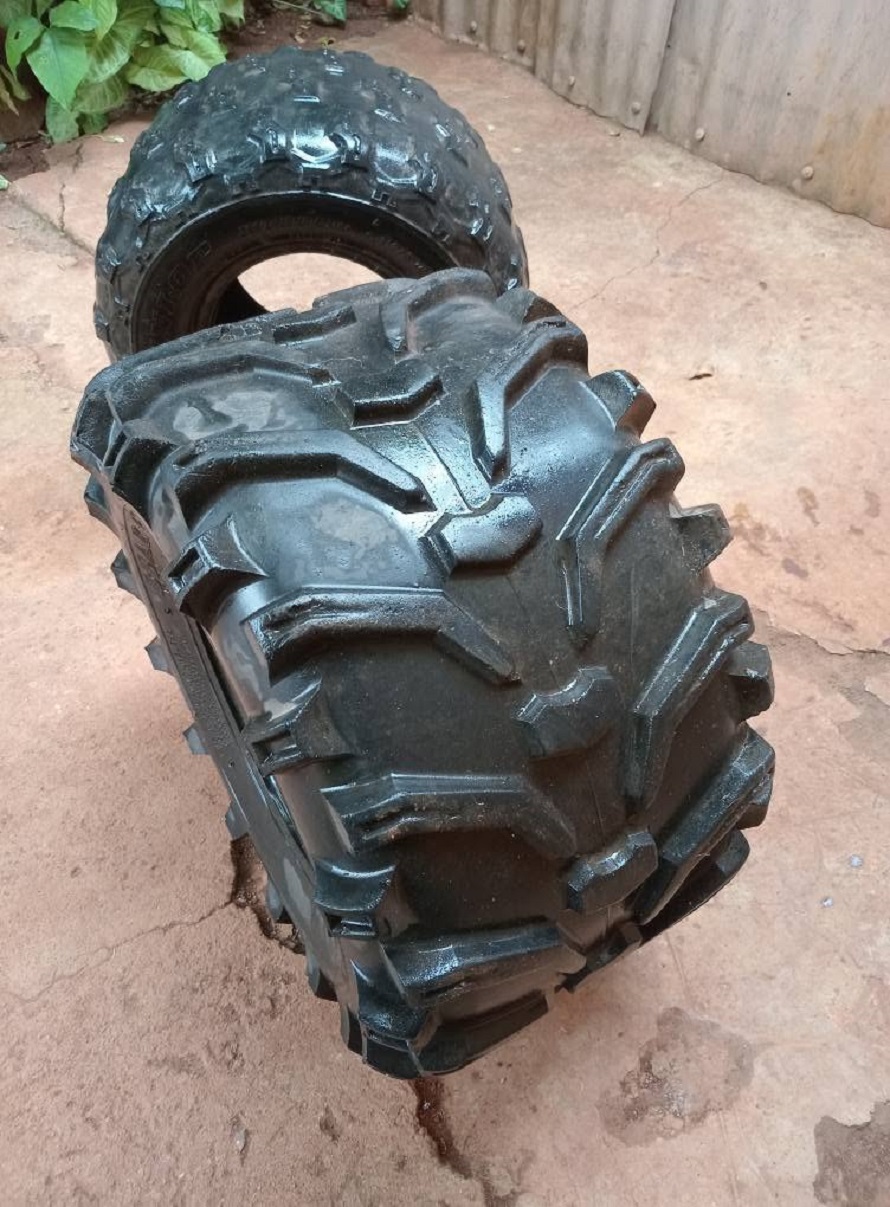
source: facebook.com
Sizes are listed as total height from the ground, overall tyre width and the matching rim size, in inches. A standard size of 25x10x12 means a tyre 25 inches high, 10 inches wide and fitting a 12-inch rim. Size tyres according to ground clearance and speed requirements. Larger tyres raise the quad off the ground, meaning more maneuverability over larger rocks, stumps and obstacles. Alternatively, choose smaller tyres for improved steering control in tighter, technical spaces, and faster acceleration with reduced sprung mass.
Ply Count and Construction
The sidewalls contain relevant data about tyre sizes, ply count and design construction. Ply count determines the tyre’s overall strength, load-bearing capacity and puncture resistance, with values between 2-ply and 12-ply.
Choose tyres with a 2-ply rating for low weight on hard-packed trails and faster acceleration in racing. Mid-range ply ratings (4-6) offer a good balance of versatility and durability for recreational riding on moderate terrain. Higher ratings of 8, 10 or 12 ply provide added strength and puncture resistance, making them better suited to quad bikes used for hauling, towing and rock crawling.
Lastly, consider whether to choose radial or bias-ply tyres. This refers to how the internal cord layers, or plies, and reinforcements are arranged within the tyre’s construction. Choose radial tyres, which have cord plies arranged at 90-degree angles to the direction of travel, extending from bead to bead. They offer better stability at higher speeds and are a good option when carrying heavier loads. Bias designs, with internal plies at 30- or 45-degree angles and running in crisscross patterns for improved puncture resistance and increased control at lower speeds due to higher sidewall flexibility.