
Food & Drink
Gyuto: A Must-Have Multi-Purpose Knife

For seamless food prep and cooking, there’s no doubt you need the right tools at hand to help you out. At the very core of kitchen essentials of this kind we have knives. The market certainly has plenty to offer when it comes to these tools, but if you’re looking for the workhorse that can take up various tasks and assist you with speeding up your meal prep process, then you should consider the versatile gyuto which is one of the notable Japanese knives.
What Do You Use a Gyuto Knife for?
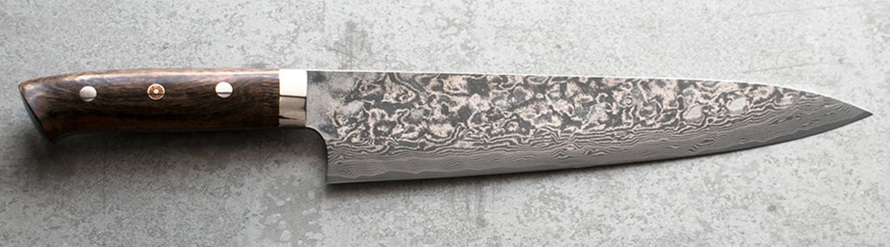
source: chefsarmoury.com
As this knife originated at the beginning of the Meiji era in the second half of the 19th century, it was inspired by the German and French chef’s knives. As such, primarily it came to be for meat handling, which would explain its name which translates to “cow sword”. This makes it different from other knives like the nakiri and santoku which came to be for vegetable handling.
Even though the “cow sword” origins are rooted in the western chef knives, it also differs from these primarily in the length (the Japanese blade is longer, ranging from 210 to 270 mm), blade shape and tip (the Japanese blade is flatter and more pointed at the tip).
Sleek, made with a stainless steel Japanese blade with a super sharp edge, the gyuto is a multi-purpose knife and can help out with various tasks, from slicing and dicing to mincing with utmost precision. The shorter blades are usually more suitable if you’re after making more precision cuts, whereas the longer blades are perfect if you need to do more power cuts like when you’re handling starchy vegetables.
With these distinctions in mind, here’s are the benefits of this standout knife in detail:
- Light weight and ergonomic properties – It’s often easier to handle gyuto knives because of the thinner blade and lightweight construction. For more comfort and control when cutting, just hold the knife near the base of the blade.
- Multi-faceted use – Whether you’re prepping a meal with meat or vegetables, or both, this is the knife that can help you out with most of the tasks with clean and fast cuts with utmost precision. All this without worrying about the ingredients and tasks dulling the blade.
- Durability – As these are knives made from tough materials like stainless steel and carbon steel, this means they can hold their edge longer. Not that they won’t be needing any maintenance, but you can expect to sharpen them less often than softer steel knives like chef’s knives.
How to Maintain Gyuto?
As already established, these are Japanese chef knives for sale known for their reliability and durability. Despite this, they still require some careful thought with the care as it comes in handy with prolonging their lifespan. The first thing to understand is that the type of steel your blades are made of can make a difference.
In general, stainless steel is lower in maintenance as it’s resistant to rust and corrosion, though when the time comes to do some sharpening after a few months of use it takes more effort and skill so you should be aware of this from the start. Not surprisingly, many professional chefs prefer to have their blades sharpened by a professional. The carbon steel alternative holds the edge even longer, but it still requires care.
To do so, it’s essential to give the blades a nice wash after every use to remove any residue from the ingredients. Gentle cleaning with a mild dish soap and soft sponge would do. Remember to never use a harsh detergent or an abrasive scrubber as both could damage the blade. Before you dry with a clean, soft and absorbent cloth, it’s necessary to rinse thoroughly with warm water to remove the soap.
White it may seem tempting sometimes when you’re in a rush, never add the Japanese knives in the dishwasher as it could easily damage them and reduce their lifespan. When washed, remember to wipe away immediately before storing the blades. To ensure they get the needed air circulation to prevent rust from forming, it’s best to store them in a specialised knife block, or preferably a magnetic strip in a dry area in the kitchen.
How you handle them can be a decisive factor too, so avoid any twisting, flexing or bending motions, and retain a smooth and clean motion instead. This can help prevent structural damage in the form of cracks and chips. Lastly, when you have carbon steel, you need to remember that a little knife oil application can further protect the blades – especially if stored longer.
Camellia oil is one example that can work wonders when applied after washing and drying the blades. For proper application, it’s advisable to follow the instructions provided by the retailer or manufacturer.