Health & Beauty
Wool Yarn for Crochet: A Complete Guide for Crafters

Crocheting is more than just a hobby, it’s a form of creative meditation, a way to unwind, and a great way to make something beautiful with your own two hands. It’s a peaceful, creative pastime that’s captivated generations.
Whether you’re whipping up granny squares or crafting an intricate shawl, it all starts with one essential ingredient: your yarn. And when it comes to yarn, few fibres are as popular as wool. That said, let’s explore everything you need to know about wool yarns for crocheting, from their unique properties to the best types for your projects.
What Is Wool Yarn?
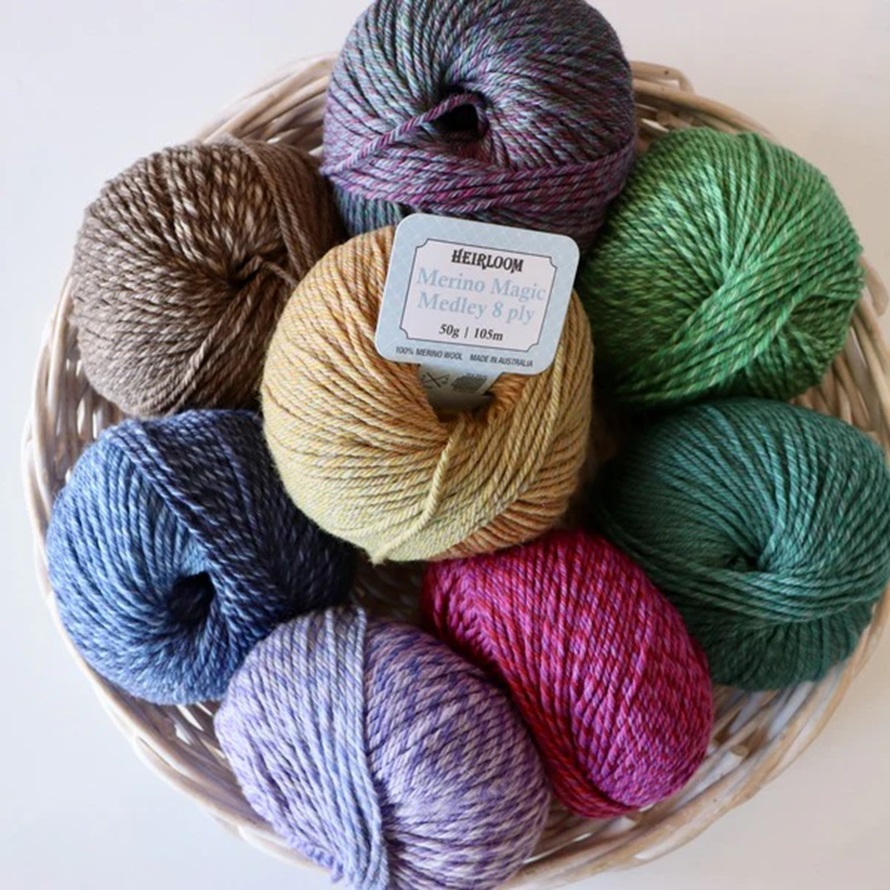
source: yarnmagic.com.au
Wool yarn is a natural fibre spun from sheep’s fleece. While it may sound simple, this humble material is incre dibly diverse. It has been a textile staple for thousands of years, cherished for its warmth, durability, and natural elasticity.
When making this material, the fleece is cleaned, carded, spun and sometimes blended with other fibres to enhance its properties. In the end, you get a result that is soft to the touch and ready to be transformed into cosy creations.
You’ll find wool yarn for sale made from different sheep breeds, each bringing its own characteristics to the final result.
Is Wool Good for Crochet
The fibre’s natural warmth makes it perfect for wearables such as hats, mittens, shawls, and scarves. It stretches just enough to allow for flexibility in your work, then bounces back to hold its shape. This means your projects look neat and polished after you’ve finished.
What’s more, it offers a fantastic stitch definition that makes intricate patterns pop. Whether you’re working on a simple double crochet or experimenting with textured stitches, the details will shine through. And since wool is breathable and moisture-wicking, your handmade items will remain comfortable in various climates.
This material is also both biodegradable and renewable, making it a fibre that is great for crochet projects and the planet.
Types to Choose From
There is no shortage of variety when it comes to this material, and each type has its distinct features:
- Merino: Soft as a cloud and gentle against the skin. This is the perfect option for garments, baby items and anything you want to snuggle into. It’s often the go-to for beginner knitters.
- Shetland: With a bit more bite, the Shetland type is more rustic and hardy. It’s good for crocheting slippers, bags, or outdoor accessories.
- Bluefaced Leicester: A British classic, this type is slightly silky with excellent drape, making it a dream for crocheting shawls and scarves.
- Alpaca-wool blends: Technically not 100% wool, blended with it for softness and warmth. This type is great for drapey shawls or luxury winterwear.
- Superwash: This type of wool is treated to prevent felting, making it machine-washable and great for crocheting everyday items.
And of course, there’s a wide selection of wool yarn for sale that includes dyed, undyed, variegated, or hand-spun options to suit your creative vision.
How to Choose the Right Option for Your Project
source: aheartfullofsewing.nz
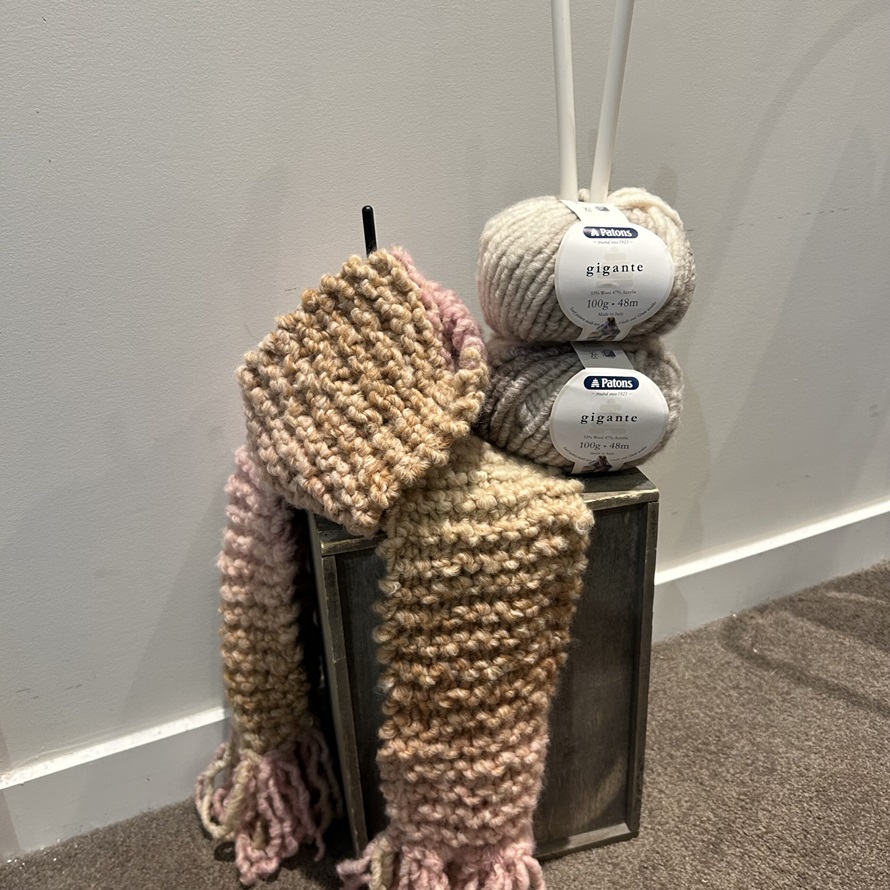
Choosing the right yarn is just as important as choosing the pattern for your project. Here are some pointers to consider when shopping:
- End use: Is your project going to be worn, washed, or displayed? For wearables, choose soft and skin-friendly options like Merino or Superwash. For home décor or accessories, go for something sturdier.
- Weight: The thickness of the yarn affects the texture and drape of your pieces. Follow the suggestions of the pattern for best results.
- Texture: If your pattern has a lot of intricate stitches, opt for smooth, non-fuzzy yarn that shows off your work.
- Colour and dye lot: Check that your yarns are from the same dye lot to avoid unwanted colour shifts in your finished item.
- Budget: Premium wools are a treat, but there are also beautiful, affordable options that don’t compromise on quality.
Tips for Crocheting with Wool
Crocheting with wool is generally a breeze, but a few clever habits can elevate your experience. Start by using smooth metal hooks. They glide effortlessly through the yarn and reduce snagging, especially when working with fluffy or textured options.
Tension matters too. The material’s elasticity means your work might loosen slightly over time, so keeping a consistent gauge is crucial, particularly for fitted garments. Blocking, a process where you gently shape your finished piece with steam or moisture, can help even out your stitches and give your project that polished finish.
One thing to remember: not every type loves the washing machine. Unless you’re using superwash, always wash by hand in cool water and lay flat to dry. Treat your woolly makes with care, and they’ll last for years to come.
And when you’re storing unused yarn, keep it safe from moths with sealed containers or a lavender sachet or two. There’s nothing worse than finding your prized skein full of holes.
Conclusion
When it comes to crocheting, this material is a crafter’s best mate. From its snuggly warmth to the beautiful stitch definition, it offers both function and flair in every loop and twist. With so many gorgeous textures and colours to choose from, there’s no end to what you can create.
So, next time you reach for your crochet hook, consider letting wool lead the way. It’s natural, versatile, and full of character. Just like every good handmade project should be. Now, all that’s left is to take a pick, pour a cuppa, and get those fingers flying.